
Water scarcity in a high-tech country
Israel is internationally recognised for water management. Mekorot, the national water company, supplies treated water across the country, and national infrastructure including the SHAFDAN treatment plant near Tel Aviv recycles approximately 85% of the country's wastewater for agricultural use — one of the highest rates in the world. Around half of all water used in Israeli agriculture today comes from this recycled source.
Yet at the household level, water is still treated largely as a linear resource: drawn fresh, used once and discarded. In a Mediterranean climate — hot, dry summers from May through October with almost no rainfall — this linear approach places unnecessary strain on a finite system. Household water prices in Israel are structured in tiers, with the rate rising sharply once consumption exceeds 3.5 cubic metres per person per month, a deliberate policy to discourage waste.
Water as a circular resource in the home
Water efficiency at the building scale starts by separating water that must be fresh from water that can be reused. Greywater — the water from showers, bathroom sinks and laundry — typically accounts for 50 to 60 percent of total household water output. This water is lightly contaminated compared with toilet waste and can be safely used for garden irrigation after basic filtration, under Israeli Standard 6147.
In gardens and shared landscapes, ecological design extends the value of every litre. Drip irrigation — a technology Israel pioneered through Netafim, founded in 1965 — delivers water directly to root zones, cutting losses from evaporation and run-off by 30 to 50 percent compared with sprinkler systems. Mulching, shade planting and soil improvement reduce how often irrigation is needed at all.
The real cost of garden water in summer
A typical Israeli household garden can consume 300 to 500 litres per day during summer irrigation season. At the higher pricing tier this represents a meaningful share of a monthly water bill. It is also, in many cases, avoidable: greywater recycling, drip irrigation and drought-tolerant planting can collectively reduce garden water consumption by 50 percent or more without affecting plant health.
Per capita residential water consumption in Israel averages approximately 170 litres per day. Garden irrigation is one of the most variable elements of that figure — and therefore one of the most accessible for reduction. Unlike showers or dishwashing, garden water use can often be cut by 40 to 60 percent through better timing, better delivery systems and plant selection suited to the local climate.
Design before equipment
The most effective water efficiency investment is usually not a device — it is a design review. A plan that maps where water is used, where it is wasted and which uses could be served by lower-quality water (such as greywater) will almost always identify higher-impact changes than a product-led approach.
For residential buildings, this means asking which garden zones genuinely need irrigation, whether existing irrigation runs at the right time (early morning loses less to evaporation than midday), and whether greywater collected from existing plumbing can be redirected without major structural work.
What to watch out for
Greywater systems must comply with Israeli Standard 6147, which specifies treatment levels for different reuse applications. Water used for direct soil irrigation requires only primary filtration; water that contacts plant foliage or food crops requires more thorough treatment. Any installation should be planned with a qualified contractor familiar with current local authority requirements, which vary by municipality.
Systems that store greywater for more than 24 hours without adequate treatment can become a source of odour and bacterial growth. Properly designed systems route water through the distribution network within a few hours of collection, avoiding storage problems entirely.
Who benefits most
Homeowners with established gardens consuming significant amounts of water in summer will see the fastest return on investment. Properties with multiple bathrooms generate enough greywater to irrigate medium-sized gardens entirely without using fresh water — in many cases, this represents 80 to 120 cubic metres per year of savings. Multi-unit residential buildings and kibbutzim with shared green space are often the strongest candidates for greywater systems due to the volume of water available and the economies of scale in installation.
For anyone on the higher water pricing tier, the financial case is straightforward. Those within the subsidised allocation may see a longer payback period, but the broader water conservation value remains. Some Israeli local authorities offer partial grants for residential water efficiency installations — checking with the municipal water authority before starting work is always worthwhile.
Related Articles
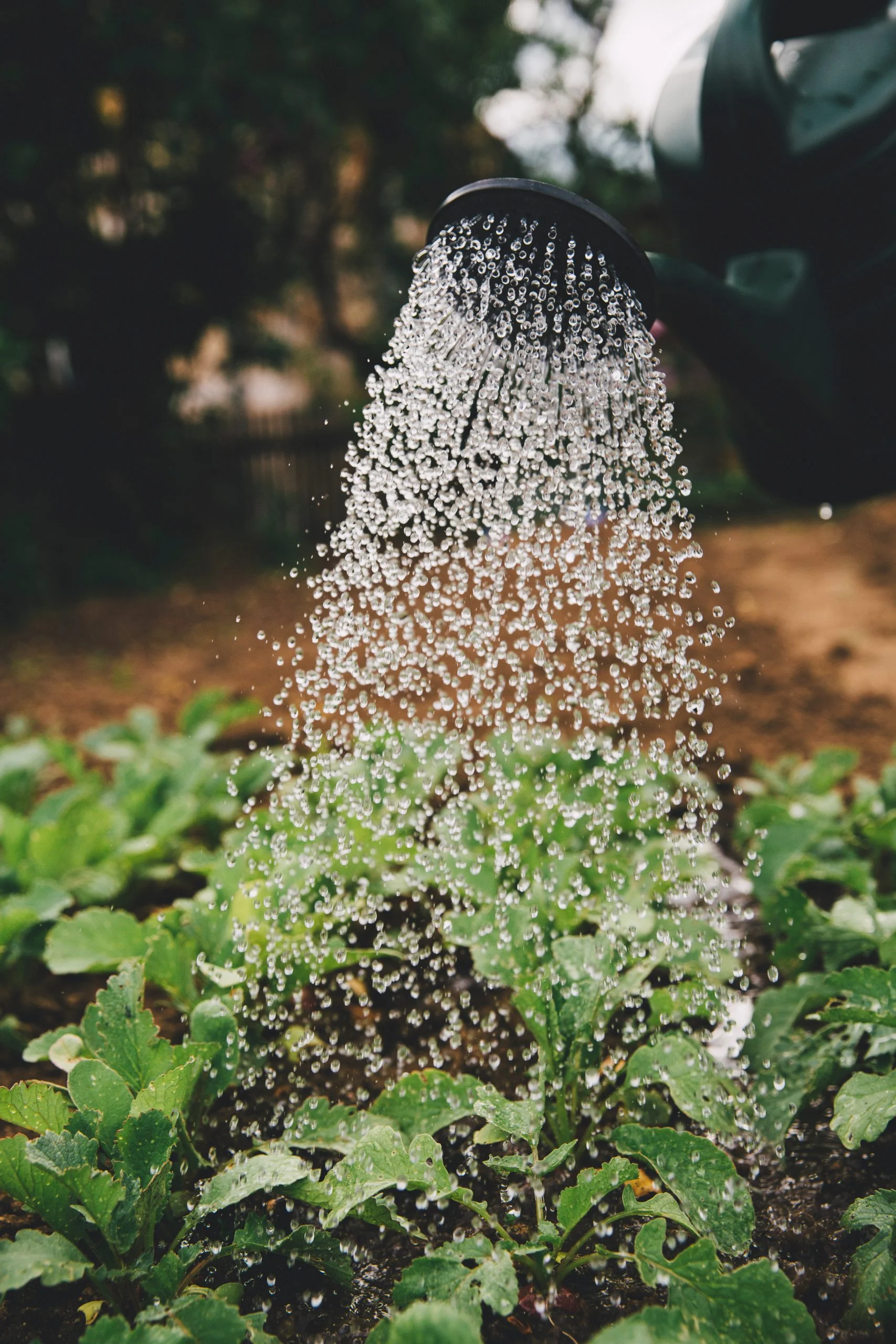
Greywater Recycling at Home: Save Water and Money
Shower, sink and laundry water — about 50–60% of household output — can legally irrigate your garden in Israel under Sta…
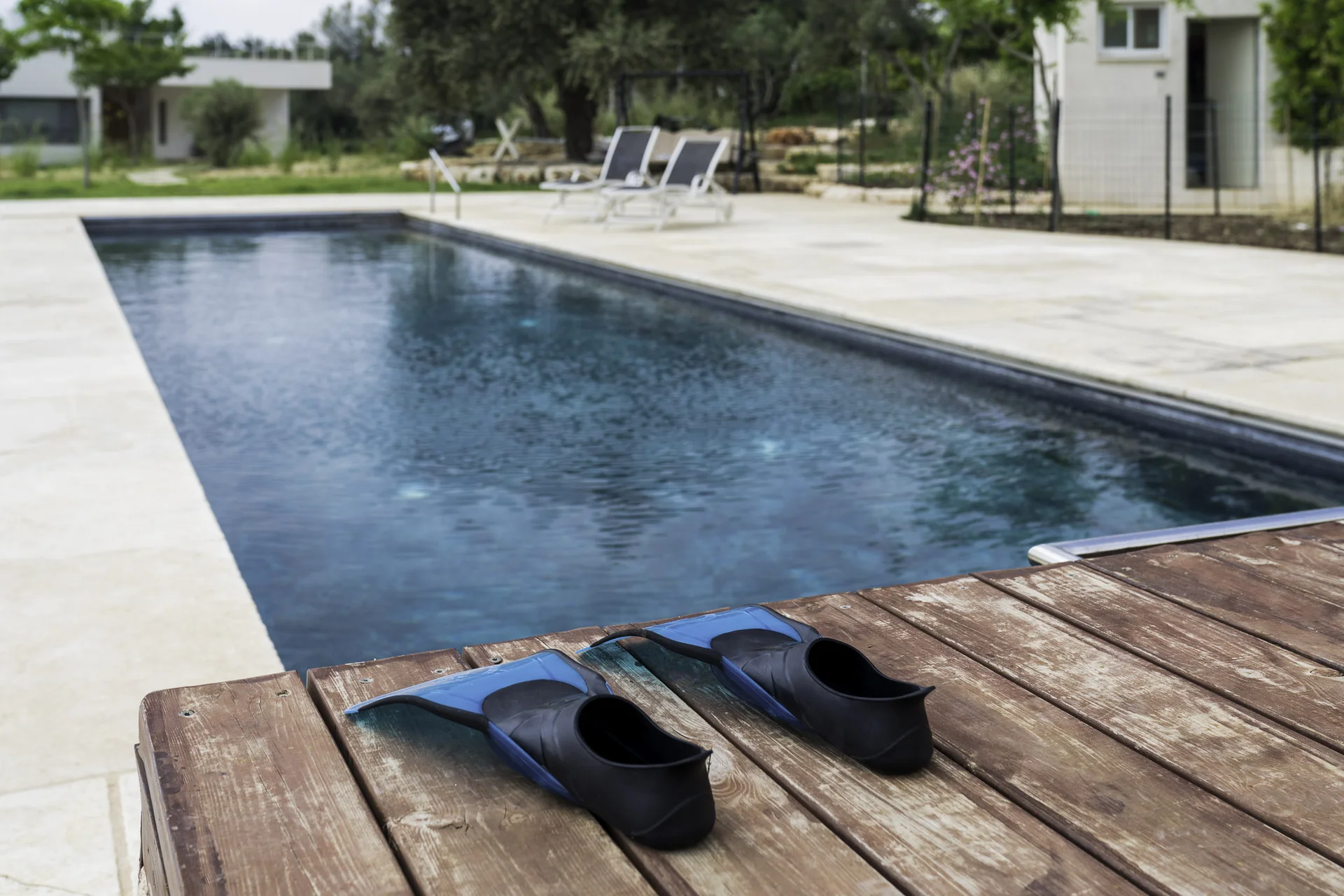
Ecological Swimming Pools: Natural Water in Your Garden
Chlorine-free ecological pools use planted biological filtration zones — the same principle as a healthy stream — and ne…
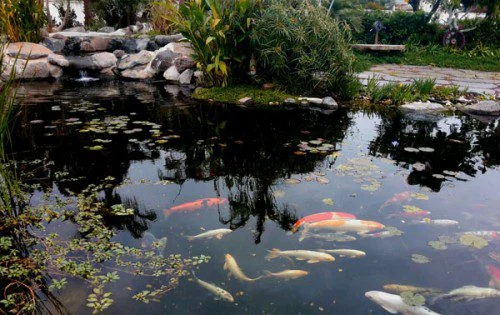
Ecological Garden Ponds: Creating a Microclimate at Home
A garden pond cools surrounding air through evaporation, supports pollinators and frogs, and filters rainwater runoff — …