
The linear economy and its cost
The conventional economic model is linear: extract raw materials, manufacture products, sell them, discard them. Each step in that chain generates waste and consumes resources that are not replenished. Disposal costs, environmental levies and rising raw material prices are beginning to make this model visibly expensive.
The circular economy is a different design logic. Materials are kept in productive use through repair, reuse, remanufacture or recycling. Waste from one process becomes an input to another. The goal is not zero waste in an absolute sense but rather a system in which materials retain value for as long as possible.
Israel currently sends a significant share of its municipal solid waste to landfill. With available landfill capacity under pressure, economic and regulatory incentives to shift toward circular models are expected to grow, making early adoption by businesses and municipalities strategically sound.
What a waste audit reveals
For a business, the starting point is understanding what is actually being discarded. A structured waste audit — classifying material streams by type and volume over one or two weeks — typically reveals that a small number of categories account for the majority of disposal weight and cost. Common examples are cardboard, food waste, glass and construction debris.
Each of these streams has secondary markets. Cardboard is one of the most widely recycled materials in Israel. Food waste from food service operations can be diverted to anaerobic digestion or composting. Construction and demolition rubble can be processed into aggregate for road base. The question is not whether a market exists but whether collection, sorting and transport make it economically viable at a given scale.
Community-scale circular loops
Some of the most effective circular economy examples operate at the neighbourhood or municipal level. Local organic waste becomes local compost that feeds local green spaces. Industrial heat waste from one factory preheats inputs for a neighbouring facility. Textile collection points feed local repair and resale operations rather than shipping material overseas.
In Israel, several municipalities are developing industrial symbiosis programs — structured arrangements between local businesses to exchange materials and energy streams. These programs work best when supported by a coordinating entity that maps what is available and who can use it.
Design for circularity
Upstream design is where the circular economy has most impact. A product designed with disassembly in mind — with accessible fasteners, labelled material components and no irreversible bonding — can be repaired, upgraded and eventually recycled with far less effort than one designed purely for first-sale cost.
Material labelling is a practical design tool. When a product clearly identifies which components are which material — stamped on the part, printed on packaging or accessible via a QR code — recycling and disassembly at end-of-life become dramatically simpler. Some Israeli municipalities are beginning to require material disclosure for products sold in large volumes.
Procurement decisions also shape circularity. Specifying products with take-back programs, post-consumer recycled content or verified repair networks creates demand that shifts manufacturer incentives over time.
Where to begin
For households, the principle translates into buying with durability in mind, repairing before replacing, and separating materials for collection. For businesses, it begins with the waste audit and a conversation with material recovery operators about what they can accept.
Measurement matters in circular economy programs. Setting a baseline — tonnes of waste per year, disposal cost per month, material composition — allows progress to be tracked and reported. This data also strengthens grant applications, investor reporting and regulatory compliance.
Green Solutions connects waste producers with processors and helps organisations identify which circular economy interventions offer the most practical value for their scale and sector.
Related Articles

How Industrial Hemp Is Replacing Petroleum Plastic
Hemp-based bio-composites offer engineers a stronger, lighter and fully biodegradable alternative to conventional plasti…

Behind the Fibres: Banana Tree Waste Becomes Clothing
How agricultural waste from banana plantations is processed into a soft, durable and biodegradable textile — and what th…
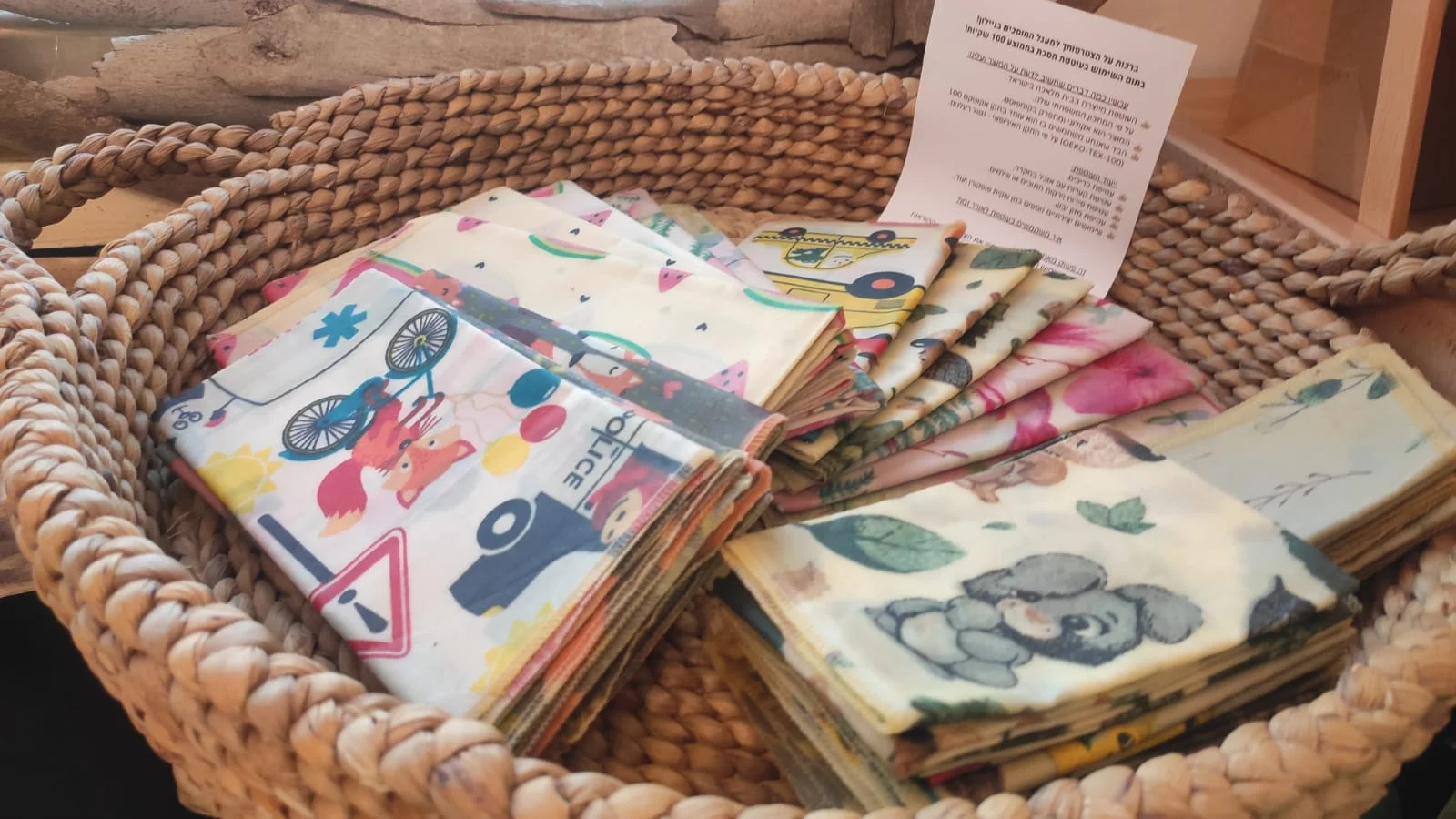
Israeli Innovation Replacing Polluting Sandwich Bags
Reusable and biodegradable alternatives to plastic sandwich bags developed in Israel reduce daily single-use plastic in …