
What makes vertical turbines different
Conventional horizontal-axis wind turbines (HAWTs) — the large propeller-style machines used in utility wind farms — require consistent wind from a single direction and minimum wind speeds of 3–4 metres per second to generate usefully. They are impractical on rooftops or in urban environments where wind is turbulent, variable in direction and interrupted by surrounding buildings.
Vertical-axis wind turbines (VAWTs) address these limitations by rotating around a vertical shaft. The blade geometry allows the turbine to capture wind from any direction without needing to orient itself. They operate effectively at lower wind speeds — some designs begin generating at 2 metres per second — and their lower rotational speed and different blade tip geometry makes them significantly quieter than horizontal machines.
Wind conditions in Israel: realistic expectations
Israel's wind resource is modest by global standards. The Golan Heights have the country's most consistent wind, and several wind farm projects have been developed there. Coastal areas — particularly the Carmel coast and parts of the northern Mediterranean shoreline — have reasonable wind resources at height. Most urban rooftops in central Israel, however, experience relatively low average wind speeds with high variability and significant turbulence from surrounding structures.
This matters for any investment calculation. A VAWT that generates 2 kW at 12 m/s wind speed generates far less at the 4–6 m/s average winds typical of many Israeli rooftops. Honest performance projections require a site-specific wind assessment — ideally using a data logger deployed at the actual installation height for several months — rather than generalised regional wind speed data. Be cautious of any installer or supplier who provides output projections without site-specific wind data.
Where urban wind turbines make sense
The strongest case for urban VAWTs in Israel is as a complement to solar in locations with above-average wind exposure. Elevated rooftops in coastal cities, buildings on hilltops, and agricultural structures in open rural areas can achieve meaningful generation from small VAWTs. The key advantage is the generation profile: wind tends to be strongest at night and during winter, exactly when solar panels produce least. A hybrid solar-wind system therefore has a more even year-round generation profile than solar alone.
Single-use wind installations — where solar is not feasible or not sufficient — are less common in Israel but exist in specific contexts: communication relay stations, agricultural pumping in areas without grid connection, and remote research or monitoring installations. In these cases, the combination of modest wind generation with battery storage can provide reliable off-grid power.
Installation considerations and regulatory requirements
Rooftop wind turbine installation in Israel requires building permit approval from the local municipality. Requirements vary by municipality and structure type, but typically include structural assessment of the rooftop to carry dynamic vibration loads, noise assessment for neighbouring residential buildings, and electrical connection approval from a licensed contractor.
The dynamic loads from a wind turbine — particularly under gusty conditions — differ from the static loads of solar panels and must be assessed separately. Vibration transmission through the building structure is also a practical concern: a poorly mounted turbine can produce audible vibration inside the building even at low rotational speeds, creating noise issues regardless of the turbine's own acoustic performance.
Combining wind with solar: system design principles
A combined solar-wind system shares some components — particularly the battery storage and inverter — creating cost efficiencies over two completely separate systems. The design challenge is ensuring the inverter and charge controller can manage two different generation sources simultaneously without conflict. Hybrid inverters designed for this purpose are available from several manufacturers and are the recommended solution.
System monitoring for a hybrid installation needs to report generation from each source separately, allowing accurate assessment of each technology's contribution. This data is also valuable for verifying that the wind turbine is performing to specification — a turbine that generates significantly less than projected over several months may have a siting problem, a mechanical fault or may simply have been over-specified for the available wind resource.
Who benefits and who should look elsewhere
Vertical wind turbines are most appropriate for: properties with demonstrably good wind exposure, hybrid systems where the seasonal complementarity with solar is the primary justification, and off-grid or backup power applications where multiple generation sources improve resilience. They are less appropriate for: urban rooftops with average or below-average wind resources where the investment does not justify the return, or as a standalone primary electricity source in most Israeli residential settings.
If you are considering a wind turbine installation, the single most important step is obtaining site-specific wind data before committing to a purchase. A data logger rental of two to three months costs a fraction of an installation and can save significant money by either confirming that the site is suitable or identifying that solar alone is the better investment.
Related Articles
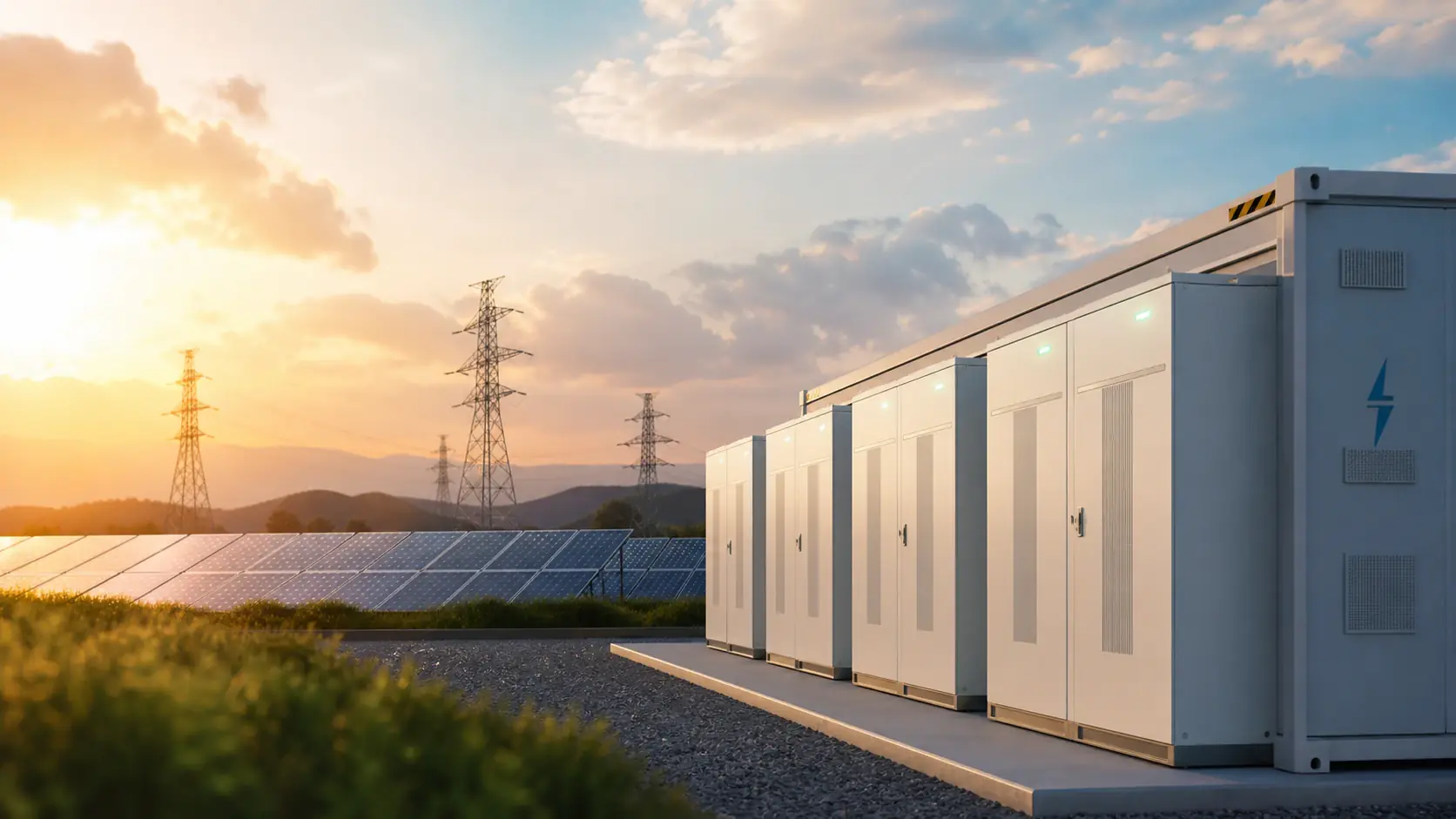
Solar Energy Storage in Israel: Managing and Profiting from Battery Systems
How Israeli households and businesses use battery storage with solar PV to reduce bills, arbitrage time-of-use tariffs a…
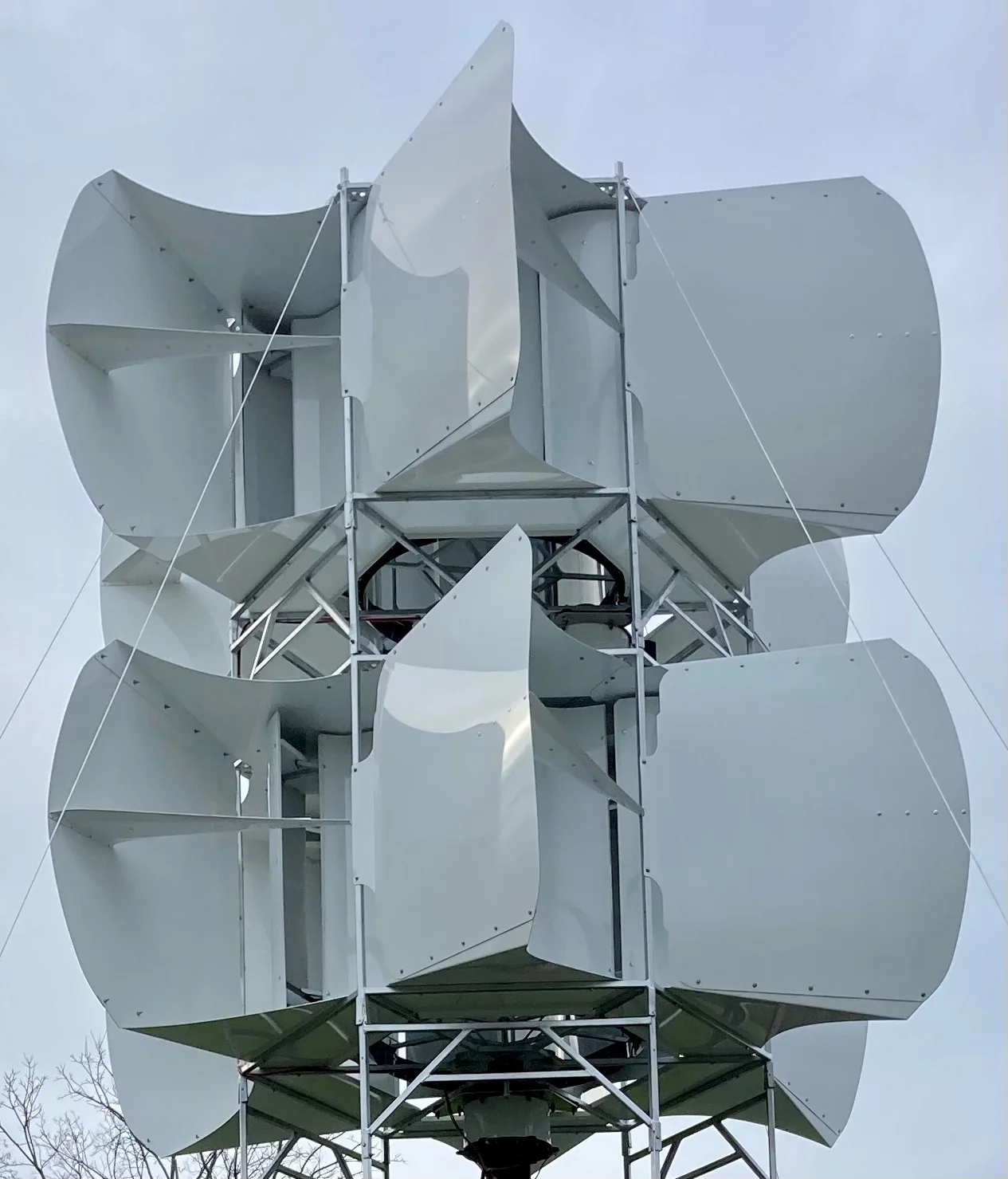
The Kohilo Wind Project: Field Evidence for Small Turbine Performance
What real-world Kohilo vertical turbine installations reveal about urban wind energy — output data, maintenance requirem…
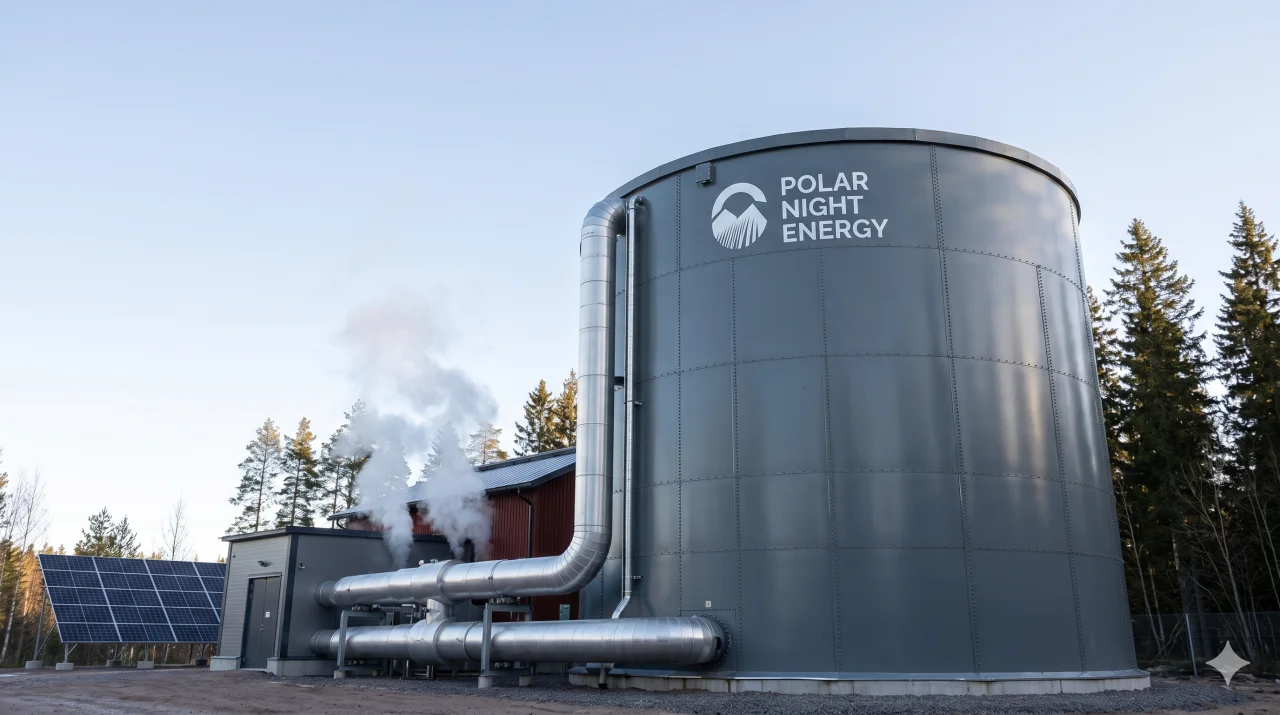
The Thermal Storage Revolution: How Polar Night Energy's "Sand Battery" Is Changing the Game in Industry
Polar Night Energy's sand battery delivers thermal energy storage at up to 600°C using sand and locally available materi…