
The challenge: industrial process heat without the gas bill
Industrial Process Heat is responsible for a huge share of global greenhouse-gas emissions. For decades, factories were tied to natural-gas, fuel-oil or diesel boilers to reach their required working temperatures. The global trend today is clear: complete decarbonisation of heat through electrification.
But moving straight to electricity with industrial heat pumps alone can hit an economic wall — high peak-hour tariffs and added load on the plant's electrical grid. This is where the systemic solution from Israeli company TIGI Solar comes in, with a smart hybrid model that combines heat pumps, proprietary thermal solar collectors and cloud-managed energy storage.
The hybrid architecture: TIGI's four pillars
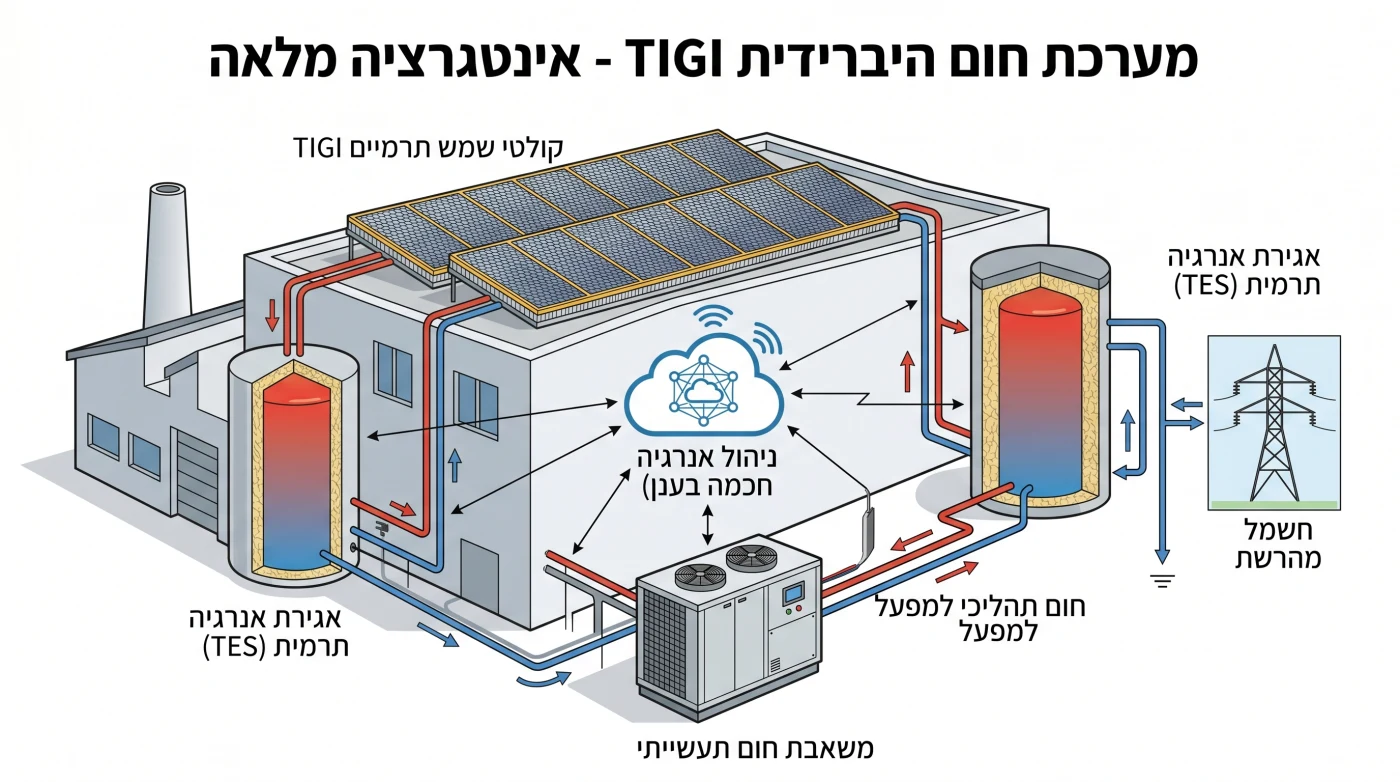
TIGI's modern system doesn't rely on a single component. It functions as a tiny, smart thermal power station inside the plant, built on the synergy between four elements:
- Industrial Heat Pumps — the system's electrification engine. Heat pumps use electricity to "pump" heat from the environment up to industrial working temperatures, with a Coefficient of Performance (COP) much higher than that of conventional electric boilers.
- Transparent Insulation Collectors — TIGI's flagship patent. Solar thermal collectors with an internal "honeycomb" structure that prevents heat loss. They can produce heat at temperatures up to 100°C and higher, even in cold climates, supplying direct and entirely free thermal energy during daylight hours and reducing heat-pump electricity consumption.
- Thermal Energy Storage (TES) — because solar production and cheap-electricity hours don't always overlap with production-line heat demand, the system includes insulated storage tanks that keep hot water for exactly when it's needed.
- Cloud-based Energy Management System (EMS) — the brain of the operation. TIGI's software analyses weather forecasts, solar output, factory production demand and the variable grid electricity prices (time-of-use tariffs) in real time, then decides at every moment whether to store solar heat, run the heat pumps or discharge the thermal storage.
The HaaS model: Heat-as-a-Service — green heat with zero CAPEX
One of the biggest barriers for factories moving to green technologies is the initial CAPEX. TIGI solves this with an advanced business model: Heat-as-a-Service (HaaS).
In this model, the company (together with financing partners) signs a long-term thermal-PPA with the plant. TIGI builds, operates and maintains the entire system at its own expense, and the factory pays only for the thermal energy it actually consumes — at a low, locked-in price compared with the alternative cost of gas or grid electricity. The project becomes cash-flow positive for the factory from day one.
Engineering reality check: where is the maximum value?
To keep our uncompromising professional line at Green Solutions, it's important to understand where this system produces the best ROI:
- Perfect fit — factories with continuous, stable heat demand throughout the day (or at least six days a week) in food and beverages, industrial laundries, light chemicals and process water heating. Available roof space or ground area near the collectors and storage tanks is a hard requirement.
- Point to consider — in factories where heat demand is extreme and short-lived, or requires very-high-pressure steam (above 150°C), this technology will serve as an efficient pre-heating system but cannot fully replace traditional steam boilers.
Bottom line
Combining electrification with managed solar thermal energy is today's most practical and economic path to bring factories to Net-Zero carbon emissions — without taking on runaway electricity costs. TIGI Solar's system proves that systems thinking changes the industrial energy equation.
Want to explore whether your facility fits the hybrid model or the Heat-as-a-Service track? Contact the Green Solutions energy experts for a custom engineering analysis.
Related Articles
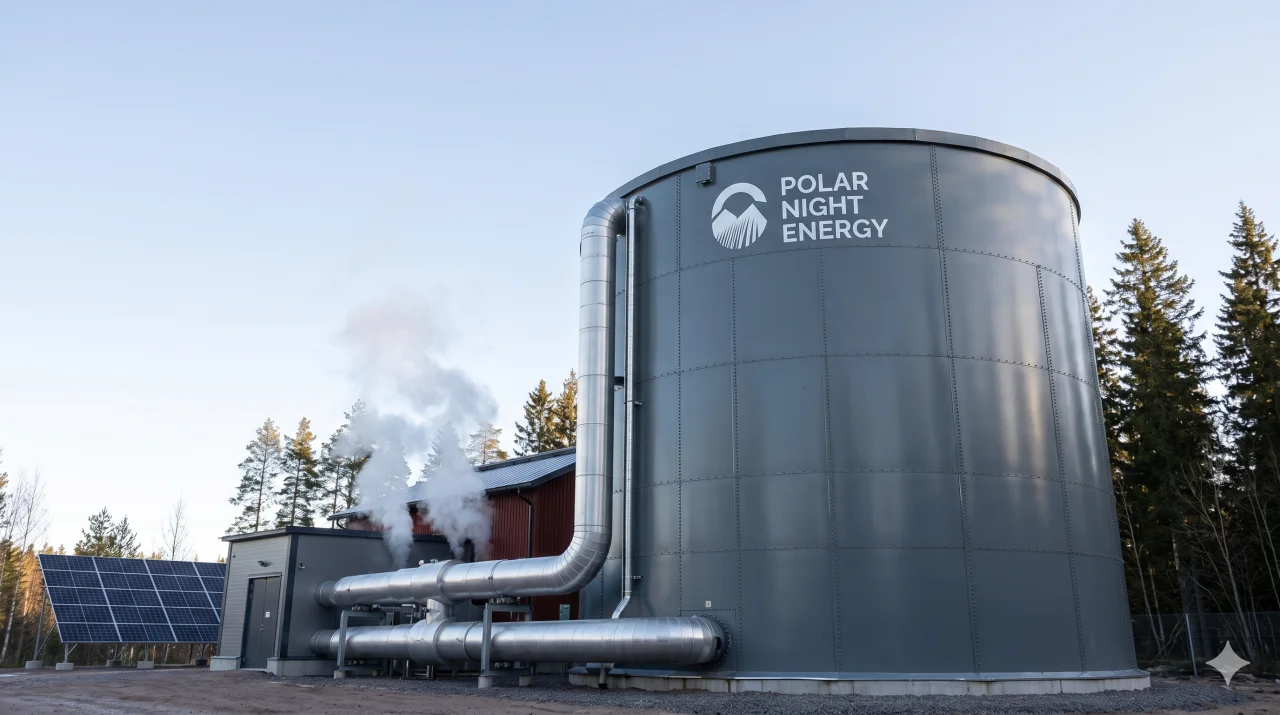
The Thermal Storage Revolution: How Polar Night Energy's "Sand Battery" Is Changing the Game in Industry
Polar Night Energy's sand battery delivers thermal energy storage at up to 600°C using sand and locally available materi…
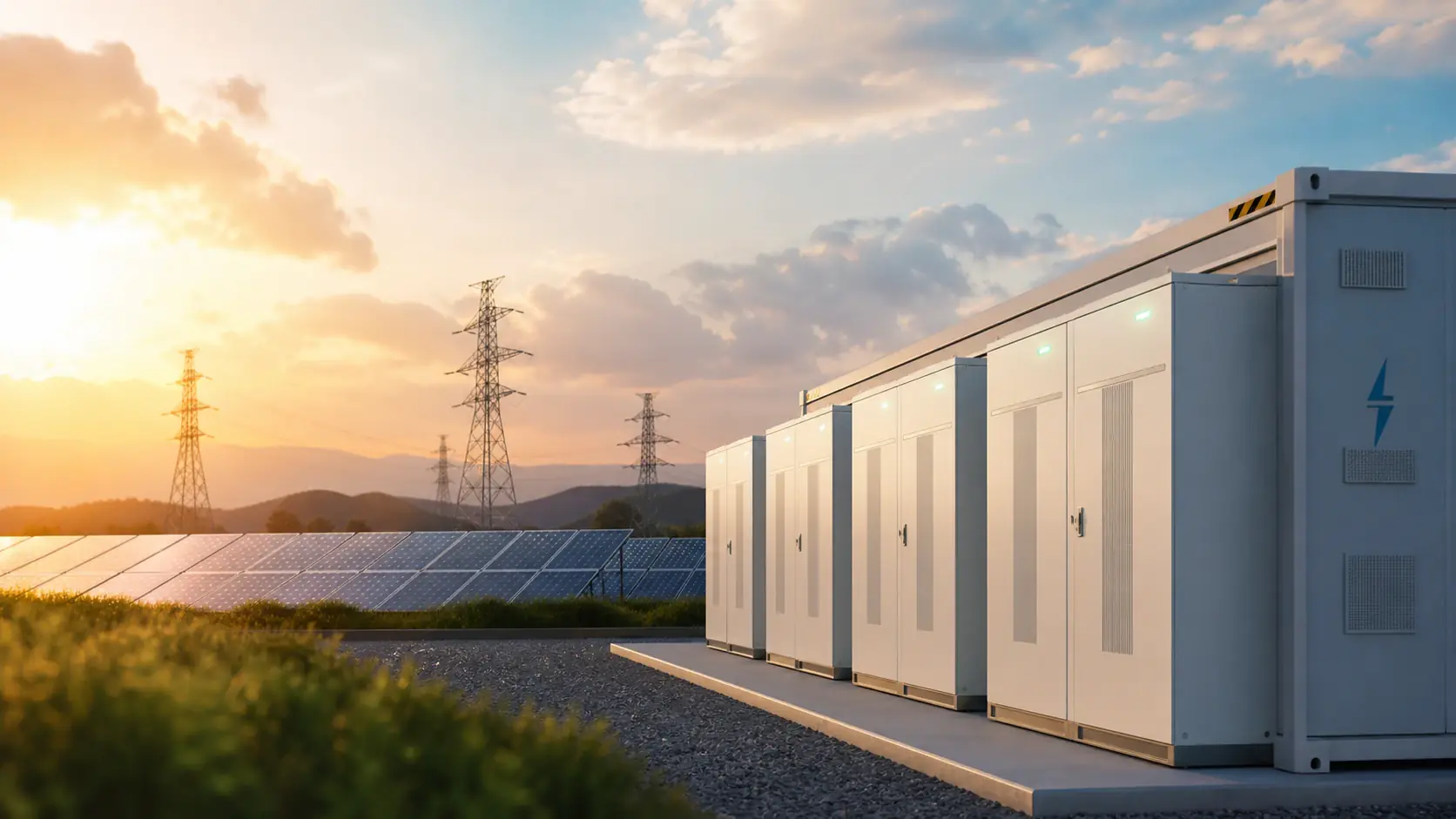
Solar Energy Storage in Israel: Managing and Profiting from Battery Systems
How Israeli households and businesses use battery storage with solar PV to reduce bills, arbitrage time-of-use tariffs a…
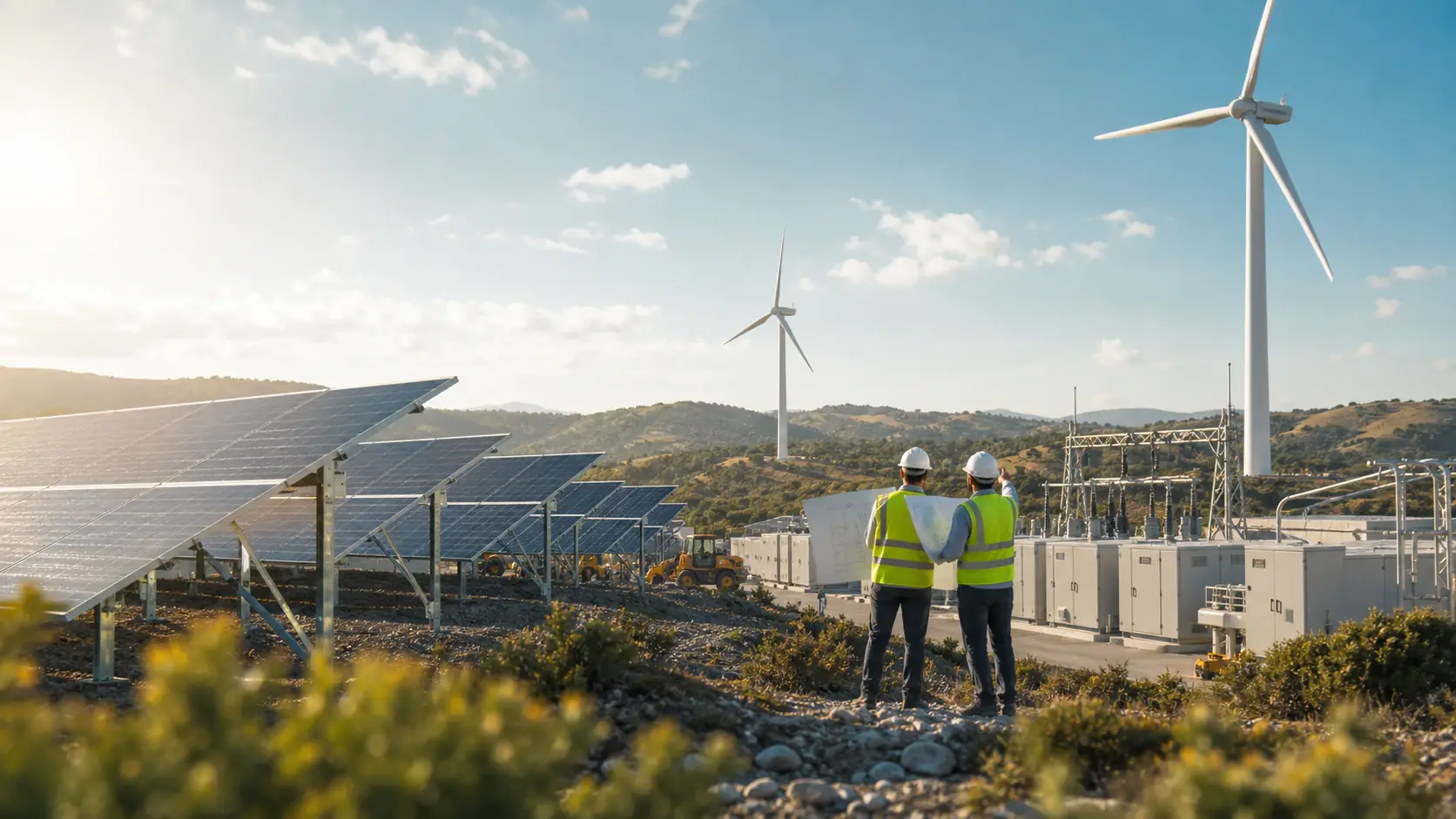
Vertical Wind Turbines: Quiet Energy for Urban and Residential Environments
How vertical-axis wind turbines work in Israeli urban settings — where they make sense, where they do not, and how they …