
Why solar is the default starting point in Israel
Israel receives 300+ days of sunshine per year, placing it among the best solar resources in the developed world. Combined with declining panel prices, favourable net metering regulation from the Israel Electric Corporation (IEC) and a 30% renewable electricity target for 2030, solar PV is now the most financially straightforward energy investment available to most households and businesses.
Solar water heaters have been mandatory on new residential buildings since 1980 — one of the earliest building-integrated renewable energy mandates in the world. The standards were updated in 1986 and 1996 to cover a wider range of building types. This legacy means most Israeli households already understand the concept of on-site solar energy production, though photovoltaic electricity generation is a newer and more complex investment.
Assessing your roof: orientation, shading and structural readiness
The most important variables in a solar assessment are roof orientation and shading. In Israel, south-facing panels receive the most annual irradiation; south-east and south-west orientations lose roughly 10–15% of that output but are still economically viable. North-facing roofs in Israel's latitude are significantly less productive and generally not recommended for primary installations.
Shading from neighbouring buildings, trees, water tanks and HVAC units is often more damaging than suboptimal orientation. A shading analysis — ideally conducted at the winter solstice when the sun is at its lowest — reveals whether partial shading will affect the system. Modern micro-inverters and DC optimizers can mitigate the impact of partial shading, but they add cost and complexity.
Structural assessment is also essential. Rooftop solar systems add load to the building structure. In Israel, rooftops that already carry heavy solar water heaters, service equipment and occasional foot traffic need to be assessed by a structural engineer before additional loads are added. This step is often skipped by lower-cost installers and leads to problems years later.
Understanding net metering and IEC connection
Residential systems under 50 kW in Israel connect to the IEC grid under net metering regulation. Excess electricity exported to the grid is credited against electricity imported, effectively using the grid as a battery. The credit rate is generally lower than the consumption rate, so self-consumption of solar electricity is more valuable than export.
Larger commercial and industrial systems typically operate under Time-of-Use (ToU) tariffs, where electricity prices vary by hour of day and season. This creates both an opportunity and a complexity: generating solar electricity during peak price hours is significantly more valuable, and adding battery storage allows systems to shift export to the highest-priced windows. Understanding the applicable tariff structure is therefore essential before sizing a commercial system.
Sizing the system and choosing components
System size is determined by three factors: available roof space, annual electricity consumption, and the grid connection limit approved by the IEC for your property. For most residential customers, a system of 6–12 kWp covers a substantial portion of annual electricity use. Starting with a detailed analysis of 12 months of electricity bills — including seasonal peaks — gives the installer the data needed to size accurately.
Panel quality varies significantly. Tier-1 panel manufacturers publish independently verified performance data and offer long-term warranties (typically 25 years on power output). Inverter choice is equally important: a high-quality inverter from an established manufacturer and compatible monitoring system allows remote fault detection and accurate performance tracking. Avoid systems where the inverter monitoring cannot be accessed independently of the installer.
Maintenance and long-term performance
Solar panels require less maintenance than most mechanical systems, but they are not maintenance-free. In Israel's climate, dust accumulation during the dry season (May–October) can reduce output by 10–20%. Regular cleaning — ideally every 4–8 weeks during the dry season — maintains production. In coastal areas, salt deposition adds another cleaning requirement.
Inverters are the most failure-prone component and typically have a lifespan of 10–15 years, shorter than the panel warranty. Budgeting for inverter replacement when evaluating the full 25-year economics of a system is important. A monitoring system that alerts you to production drops allows early fault detection and rapid response, preventing weeks of reduced output going unnoticed.
Financial assessment: what to expect
Payback periods for residential solar in Israel vary significantly by system size, orientation, consumption pattern and financing method. A straightforward cash purchase of a well-sited residential system typically achieves payback in 5–8 years, followed by 15–20 years of low-cost electricity production. This is a strong financial case by any standard investment measure.
Be cautious of payback calculations that assume 100% self-consumption or that use electricity price projections far above current rates. The most reliable calculations are conservative: they assume 70–80% self-consumption, a moderate electricity price increase of 2–3% per year, and a realistic assessment of shading and orientation losses. Ask any installer for a calculation that shows year-by-year cash flows under these conservative assumptions.
Related Articles
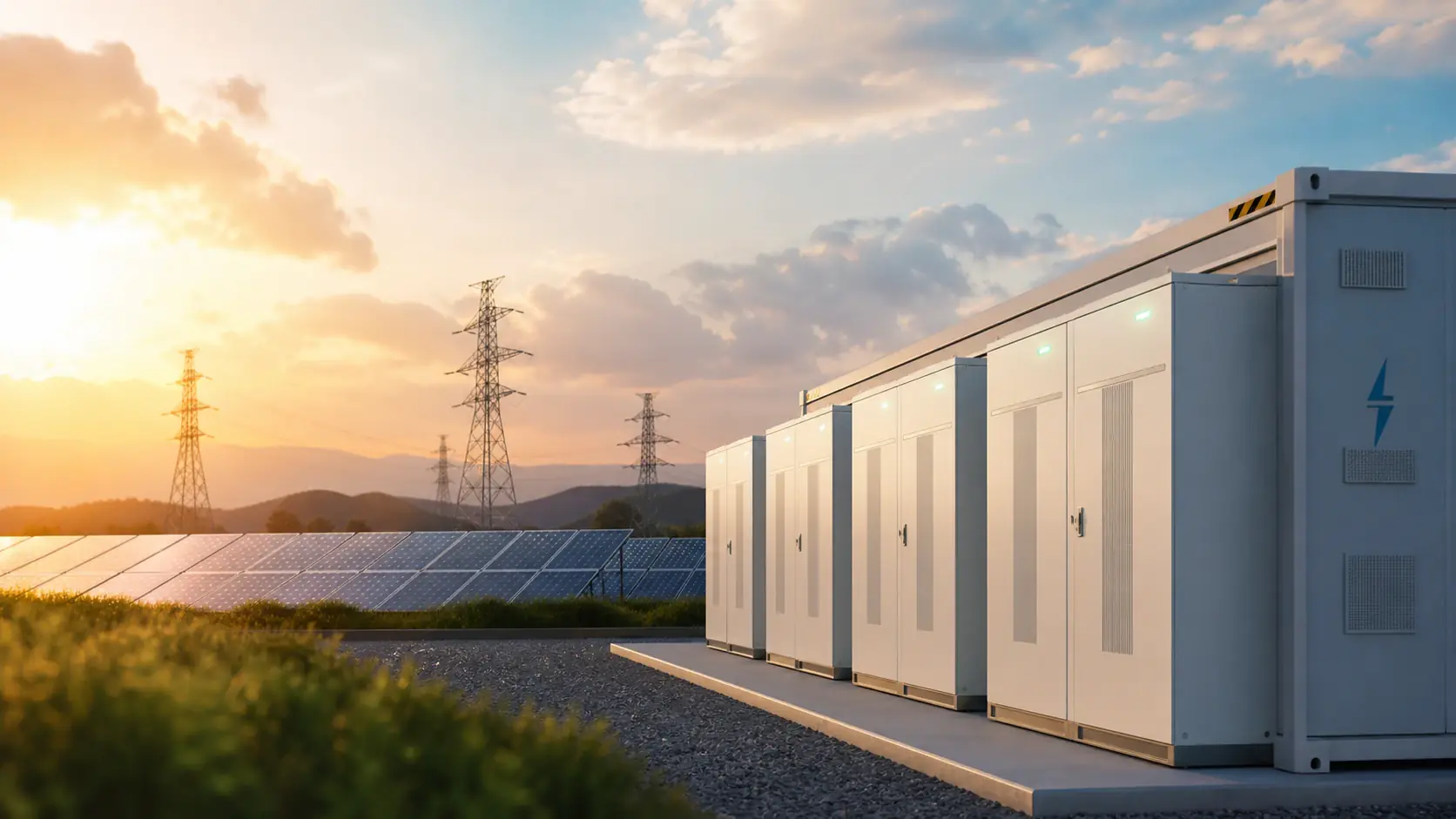
Solar Energy Storage in Israel: Managing and Profiting from Battery Systems
How Israeli households and businesses use battery storage with solar PV to reduce bills, arbitrage time-of-use tariffs a…
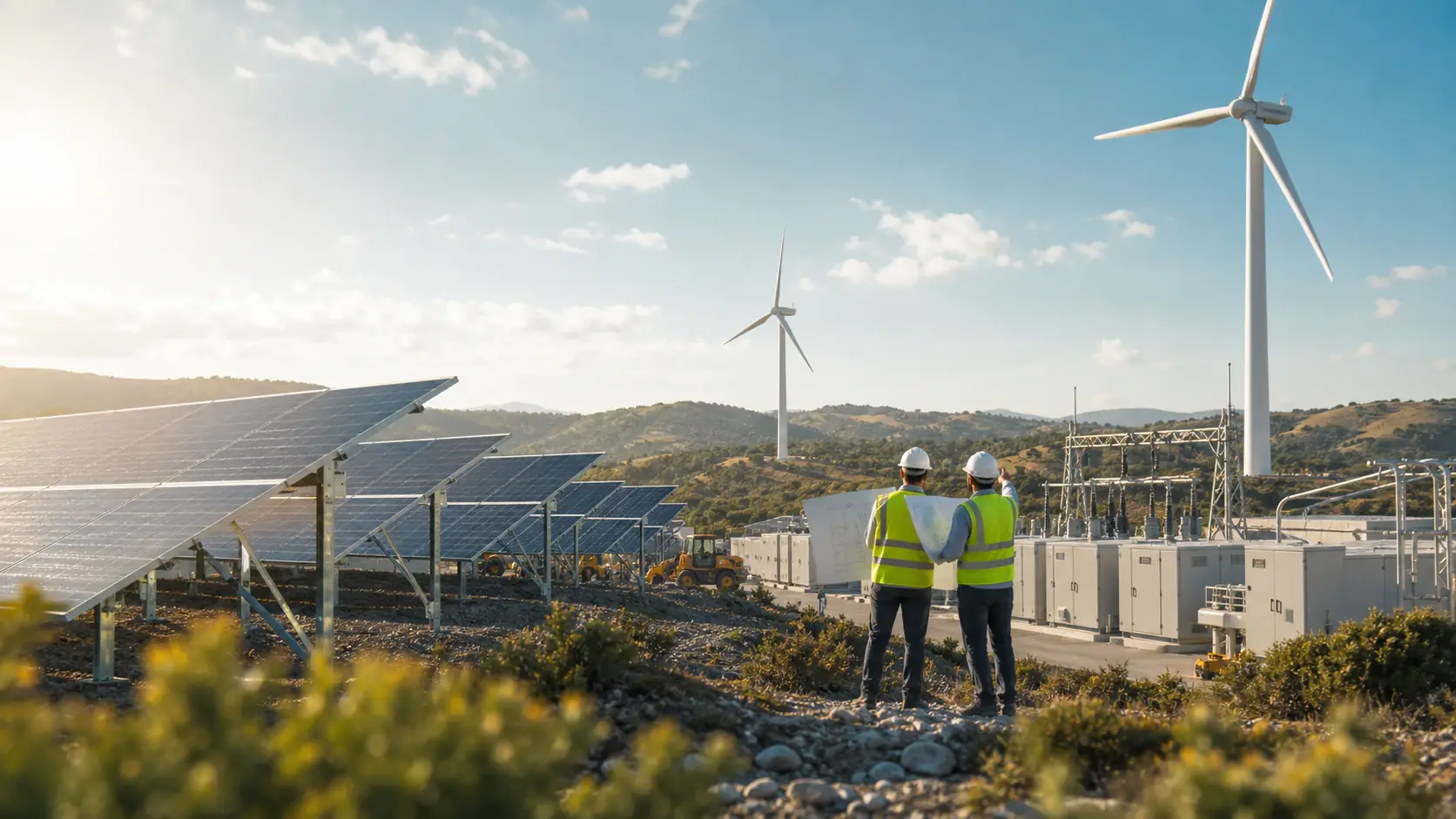
Vertical Wind Turbines: Quiet Energy for Urban and Residential Environments
How vertical-axis wind turbines work in Israeli urban settings — where they make sense, where they do not, and how they …
Protecting Solar Panels: Why Glass Coating Matters in Israel's Climate
How hydrophobic nano-coatings protect Israeli solar installations from dust, mineral deposits and salt — extending panel…