
Learning as doing, not as listening
An ecological learning centre is not a classroom with an environmental theme. It is a working system in which the infrastructure of the centre is itself the curriculum. Participants learn composting by managing an active compost system. They learn solar energy by monitoring a real installation and understanding its output data. They learn water harvesting by maintaining the collection system and seeing the tank fill during winter rains.
This experiential model is grounded in well-established learning science: skills acquired through practice, in the context of real consequences, are retained far more durably than knowledge acquired through reading or lecture. A workshop participant who has turned a compost pile, identified when it is too wet, adjusted the carbon-to-nitrogen ratio and waited for the result has learned composting in a way that carries into their own practice.
The centre itself becomes a proof of concept — a visible demonstration that ecological systems work, that renewable energy is reliable, that water can be harvested and reused, that organic waste has value. This demonstration function is as important as the formal programme, because it provides a reference point for participants and visitors that abstract information cannot.
Community as the curriculum
The most effective ecological learning centres are embedded in specific communities and oriented to local conditions, resources and challenges. A centre in the Negev focuses on desert-adapted agriculture, water harvesting for dry climates and heat-appropriate building design. A centre in the Galilee focuses on forest management, water table protection and temperate-climate growing. The curriculum is shaped by place.
Learning in community — alongside neighbours, across generations, with local producers and practitioners — creates something that individual study cannot: relationships. Participants who learn together and work together develop networks of mutual support that persist long after the formal programme ends. The centre becomes a node in a local sustainability network that connects households, schools, businesses and municipal services.
Intergenerational learning is particularly valuable in ecological education. Older community members carry practical knowledge — of traditional building techniques, plant cultivation, water management, animal husbandry — that is not written down and is in genuine danger of being lost. Learning centres that deliberately create occasions for this knowledge to pass between generations are preserving something irreplaceable.
The physical design of a learning centre
A well-designed ecological learning centre demonstrates the principles it teaches in its own construction and operation. The building should be a live case study in green building: thermally well-performing, passively cooled and heated where possible, with visible renewable energy systems, water harvesting infrastructure and growing spaces that are both productive and instructional.
Outdoor spaces are as important as indoor ones. A productive food garden, a composting area, a demonstration water harvesting system, native plantings that support biodiversity, a shaded outdoor gathering area for groups — these physical elements provide the working infrastructure for hands-on learning and signal, to anyone who visits, what the centre values.
Scale and simplicity matter. An ecological learning centre that is too sophisticated or too large becomes difficult to maintain and explain. The most effective centres are designed to be understood and managed by their community, with systems that are visible, accessible and straightforwardly operated. Complexity in ecological systems tends to undermine the learning function.
Israeli examples and the broader context
Israel has a number of ecological centres and kibbutz-based sustainability initiatives that function as informal learning centres, though few are designed from the outset with the explicit educational mission described here. The kibbutz movement's long tradition of collective agriculture and cooperative management provides a cultural framework within which ecological learning centres can find strong community support.
Environmental education in Israeli schools, while growing, tends to remain classroom-based. Learning centres that provide schools with field trip programmes — structured visits where students engage with working ecological systems rather than observing exhibits — fill an important gap in formal environmental education. Several centres have developed school programmes that meet curriculum requirements while providing genuinely experiential learning.
The Negev and Galilee are particularly well-suited to ecological learning centres: land is available, communities are engaged in questions of sustainability and rural development, and the environmental challenges — water scarcity, land degradation, energy access — are immediate and locally meaningful.
Building and sustaining a learning centre
The most significant challenge in establishing an ecological learning centre is not physical or financial — it is community ownership. A centre that is built and run by an outside organisation for a local community will not achieve the same outcomes as one that is initiated and sustained by community members themselves. The process of building the centre is part of the education.
Funding models for ecological learning centres typically combine multiple sources: municipal support, national environmental education grants, revenue from school and corporate programmes, eco-tourism accommodation, workshops open to the public, and produce sales from the growing areas. No single funding stream is usually sufficient; resilience requires diversity.
Green Solutions has worked with several ecological learning centre initiatives in Israel, providing design guidance, system specification and programme development support. For communities considering this path, the best starting point is a small pilot — a composting project, a school garden, a water harvesting demonstration — that builds local knowledge, tests community appetite and demonstrates what is possible before committing to a larger investment.
Related Articles
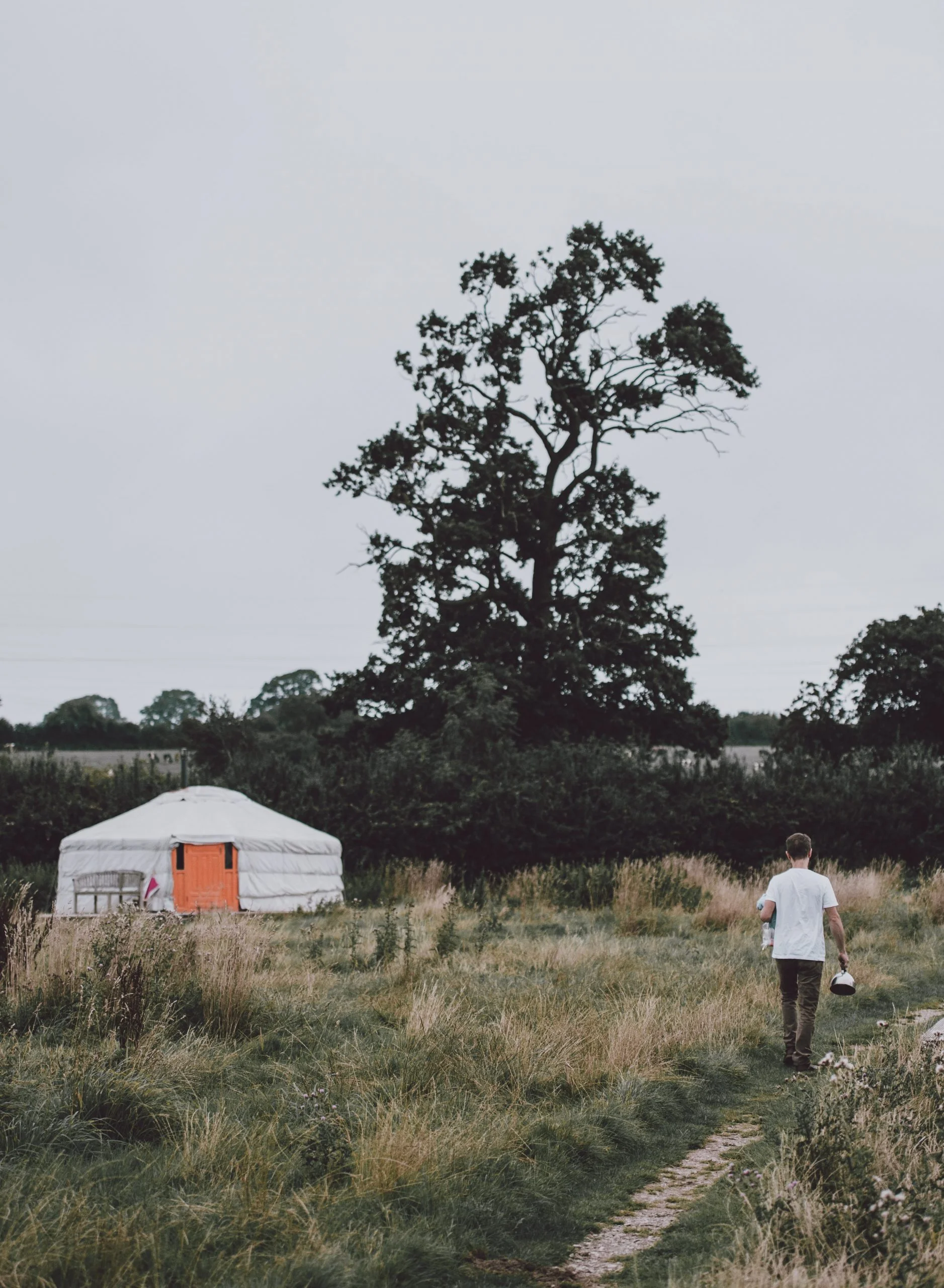
Yurts: Living in a Circle with Nature
The ancient yurt — a circular, portable dwelling with deep ecological logic — is finding new relevance in Israel's growi…
Green Building: Smarter Homes That Cost Less to Run
How insulation, passive solar design, water efficiency and smart materials create buildings that are healthier, cheaper …
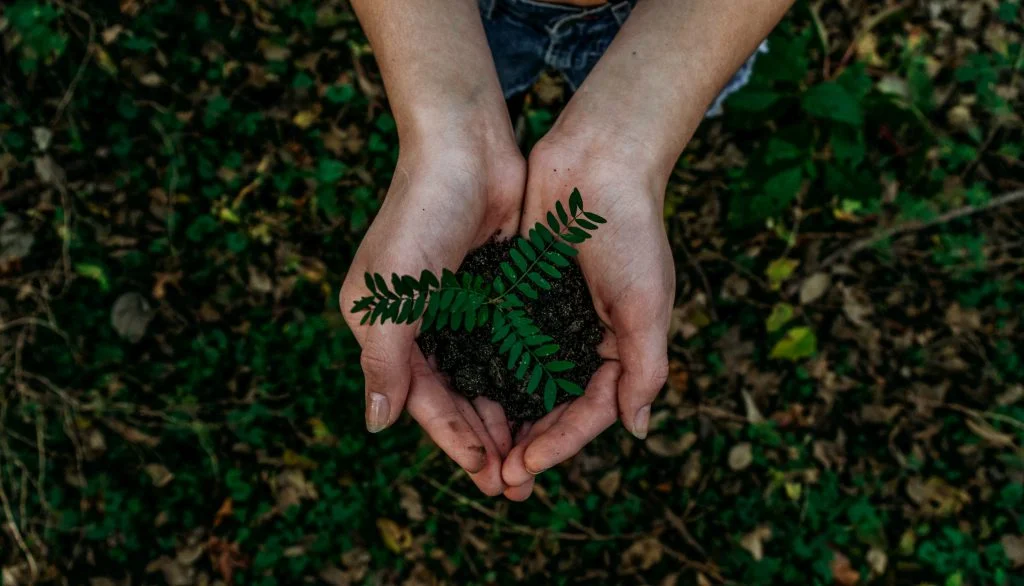
Climate Action Starts with Practical Local Choices
A grounded guide to cutting your carbon footprint in Israel — from home energy and water use to food and community decis…