
The outdated assumption: green costs more
The idea that environmental responsibility is an added cost — a form of corporate virtue that competes with financial performance — was always a simplification, and it has become increasingly inaccurate. In most operational categories, the actions that reduce environmental impact also reduce resource consumption: less energy used, less water wasted, less raw material consumed, less waste requiring disposal. When resource costs are real and measurable, reducing consumption directly improves the bottom line.
This is not a theoretical argument. Israeli businesses that have conducted systematic energy and environmental audits consistently report finding significant cost reduction opportunities alongside environmental improvements. The two outcomes are not in tension — they are different expressions of the same underlying improvement: doing more with less.
Energy efficiency: the highest-return investment
Energy efficiency improvements typically offer the best return on investment of any environmental action. Insulation, LED lighting, efficient motors, variable speed drives for pumps and fans, and smart building controls consistently deliver payback periods of 1–4 years — far shorter than the asset lifespan — while simultaneously reducing CO₂ emissions proportionally to the energy saved.
In Israel, the building sector consumes a large share of national electricity. Buildings constructed before modern energy codes — which in Israel were significantly upgraded with Standard 5281, the green building rating system — typically have poor thermal performance, with air conditioning loads in summer representing a major operating cost. Improving the building envelope — adding insulation, upgrading windows, shading south-facing facades — reduces this load permanently and improves occupant comfort simultaneously.
Water: where savings are directly visible
Water in Israel is priced to reflect its scarcity. Residential pricing uses a stepped tariff structure: the first 3.5 cubic metres per person per month carries a subsidised rate of approximately ₪10/m³, with higher consumption priced at progressively higher rates. For businesses — agriculture, industry, hospitality — the costs are significant and directly controllable.
Water efficiency investments in this context have clear payback periods. Drip irrigation systems for agriculture reduce water use by 30–50% compared to overhead irrigation while often improving yields by delivering water directly to the root zone. Industrial process water recycling, cooling tower optimisation and leak detection programmes consistently show payback within one to two years. Each cubic metre saved reduces both the water bill and the energy cost of pumping, treating and distributing that water through Mekorot's national network.
Waste as a cost signal
Industrial and commercial waste is a direct measure of process inefficiency. Material that leaves a process as waste was purchased as a raw material, consumed energy in transformation and then failed to become a sellable product. The cost of that waste is therefore at least the raw material cost plus the processing cost plus the disposal cost — often a significant fraction of total production cost.
The circular economy approach — designing processes and products to minimise waste and maximise material recirculation — addresses this directly. Organic waste from food processing and agriculture, which in Israel is subject to increasing regulatory pressure regarding landfill disposal, can be converted to biogas through anaerobic digestion, producing both renewable energy and a nutrient-rich digestate for use as fertiliser. Companies that have implemented this approach report both the energy revenue and the avoided disposal cost as tangible financial benefits.
Building the business case
The most effective approach to identifying environmental cost reductions is a systematic audit covering energy, water, waste and materials. For businesses of significant size, this is best conducted by a qualified energy consultant or environmental engineer who can provide independent, data-driven analysis rather than a service provider with a product to sell.
Key metrics to track from the audit: the cost per unit of energy (not just the total bill), water cost per unit of output, waste disposal cost as a percentage of revenue, and the carbon intensity of purchased goods and services. These metrics make environmental performance comparable across time periods and across facilities, enabling targeted action and clear measurement of improvement. Green Solutions works with businesses and households to identify the specific opportunities most relevant to their situation and connect them with qualified suppliers and professionals.
Regulation as a driver and a floor
Environmental regulation in Israel is tightening across multiple dimensions: energy efficiency requirements in building codes, water recycling obligations for industry, restrictions on single-use plastics and increasing landfill diversion requirements. Businesses that treat compliance as a floor — the minimum required — and invest beyond compliance typically find that they are better positioned when requirements increase than competitors who have only met the previous standard.
Carbon pricing, while not yet implemented as a comprehensive carbon tax in Israel, is advancing in regulatory planning and is a likely future cost for energy-intensive industries. Businesses that reduce their carbon intensity now — through efficiency, renewable energy and process improvement — reduce their exposure to future carbon costs. This is a genuine financial risk management argument, not just an environmental one.
Related Articles
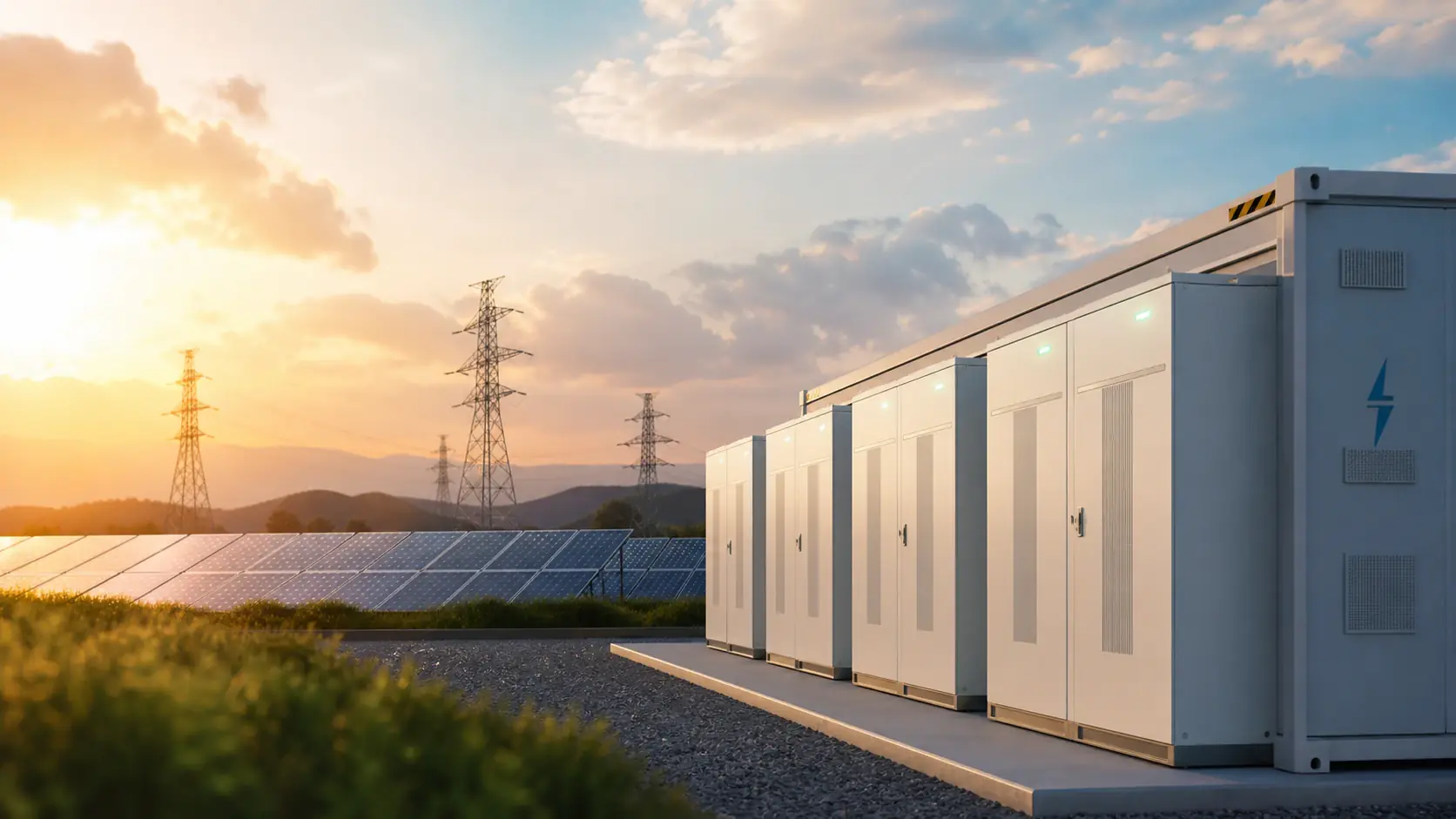
Solar Energy Storage in Israel: Managing and Profiting from Battery Systems
How Israeli households and businesses use battery storage with solar PV to reduce bills, arbitrage time-of-use tariffs a…

Green Building: Smarter Homes That Cost Less to Run
How insulation, passive solar design, water efficiency and smart materials create buildings that are healthier, cheaper …

Biodegradable or Greenwashing? The Truth About Eco Products
How to tell the difference between genuinely sustainable products and marketing claims — and what the new single-use pla…