
Where Israel stands on recycling
Israel's recycling rate sits at roughly 24%, well below the EU average of around 47%. The gap reflects a combination of infrastructure challenges, limited public awareness and historically low tipping fees that made landfill the default option for municipalities.
Progress is happening. Tamir, the national packaging recycling corporation, manages the blue bins found across the country and has steadily expanded collection points and processing capacity. The bottle deposit law (פיקדון), in place since 2001, has been one of Israel's most effective recycling instruments: a deposit of 0.30 ILS is paid on purchase and recovered when the bottle is returned to a designated machine or counter.
Israel's Extended Producer Responsibility (EPR) regulations are expanding, placing greater obligation on manufacturers and importers to fund collection and recycling of packaging they put on the market. This shifts some of the cost of recycling infrastructure from municipal budgets to the producers of packaging — a model that has driven recycling rate improvements in European countries.
What goes where — and why it matters
Contamination is the biggest cause of recycling failure. When food residue, liquids or non-recyclable materials enter the blue bin, entire batches can be rejected. Paper should be dry and free of food contact; plastic packaging should be rinsed; glass bottles can be placed whole. Styrofoam, waxed cartons and laminated packaging are not accepted by most Israeli municipal programs and belong in general waste.
Organic waste is a separate stream requiring dedicated attention. When food scraps go to landfill they decompose anaerobically, producing methane — a greenhouse gas considerably more potent than CO₂ over a 20-year period. Keeping organics out of mixed bins is therefore both an environmental and a climate issue.
Municipal organic collection: what is expanding
Tel Aviv launched curbside organic waste collection in 2020. The program provides residents with small kitchen collection bins and scheduled pick-up of the brown bin alongside regular waste. The collected material is processed into compost used in municipal green spaces. Several other cities including Haifa and Ra'anana have since introduced comparable schemes.
The challenge for municipalities is cost and contamination. Organic collection only works when households consistently separate food waste from packaging. Educational campaigns and convenient bin design both play a role in keeping contamination rates low enough for the compost to be usable.
Reducing before recycling
Recycling is valuable but sits below refusal and reduction in the waste hierarchy. The most effective household changes are upstream: buying products with less packaging, choosing refillable containers where available, and planning meals to reduce food waste.
Durable goods — quality tools, clothing that lasts, appliances with accessible spare parts — also reduce the volume of material entering the waste system. Before recycling, ask whether an item can be repaired, resold or donated.
Food waste is a specific area where Israeli households can make measurable impact. Planning weekly meals, storing produce correctly to extend shelf life, and cooking with leftovers in mind can reduce food waste by 20–30% without significant lifestyle change.
Practical starting points
Start with one stream: paper. Flatten cardboard boxes, keep paper dry and separate from food packaging. Once that habit is established, add plastic and metal. Keep a small countertop bin for organic scraps and empty it daily into a garden compost bin or municipal collection if available.
For businesses, a waste audit — a one-week tally of what is being discarded and in what volumes — usually reveals that two or three material categories make up the bulk of disposal costs. Targeting those categories first delivers the fastest return on effort and often on cost.
Tracking progress matters. A household or office that measures its waste volume before and after implementing changes gets concrete feedback that sustains motivation and identifies where further improvement is possible.
Related Articles
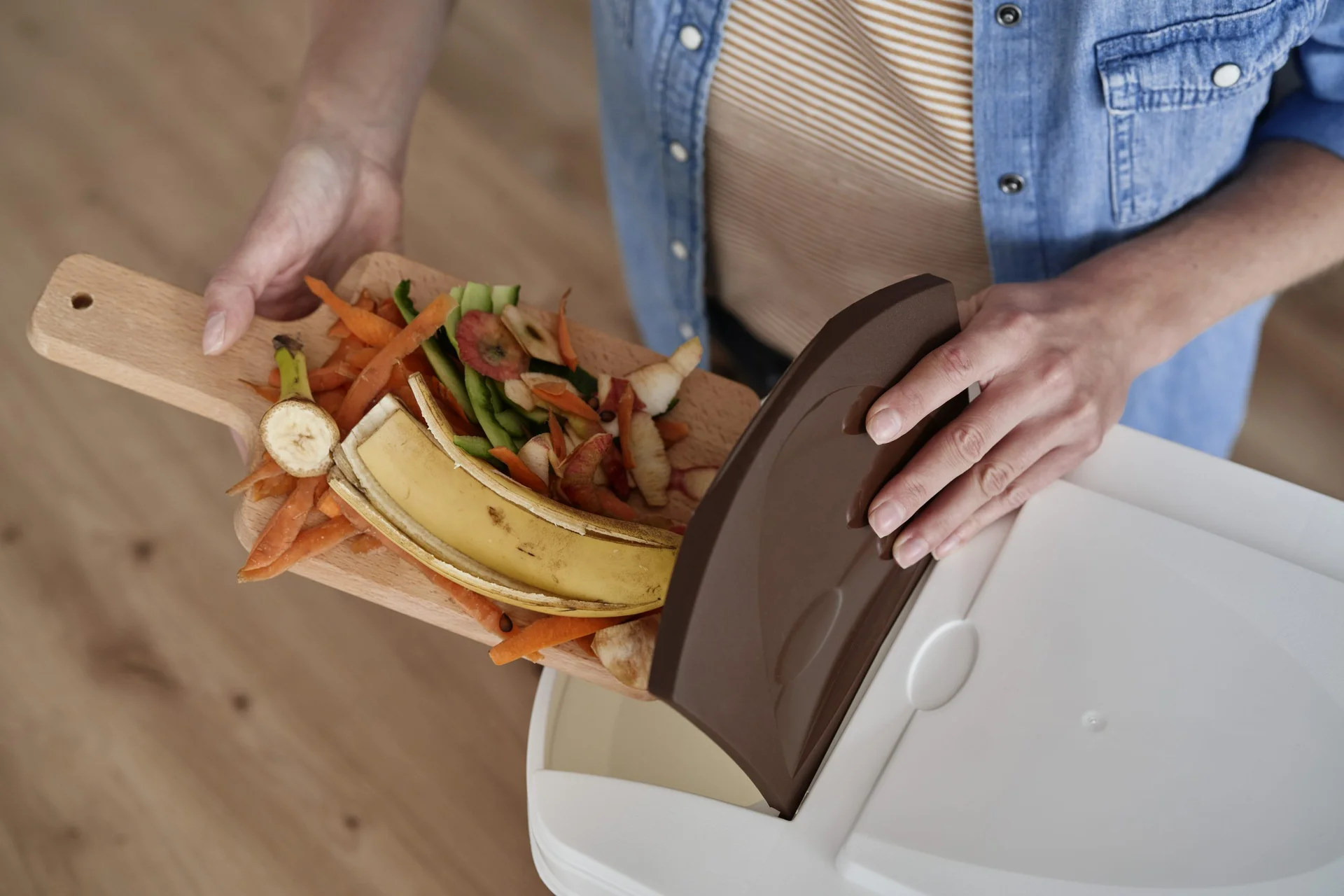
Everything You Need to Know About Home Composting
A practical beginner's guide to home composting — what to add, how to manage the process and how to turn food scraps int…
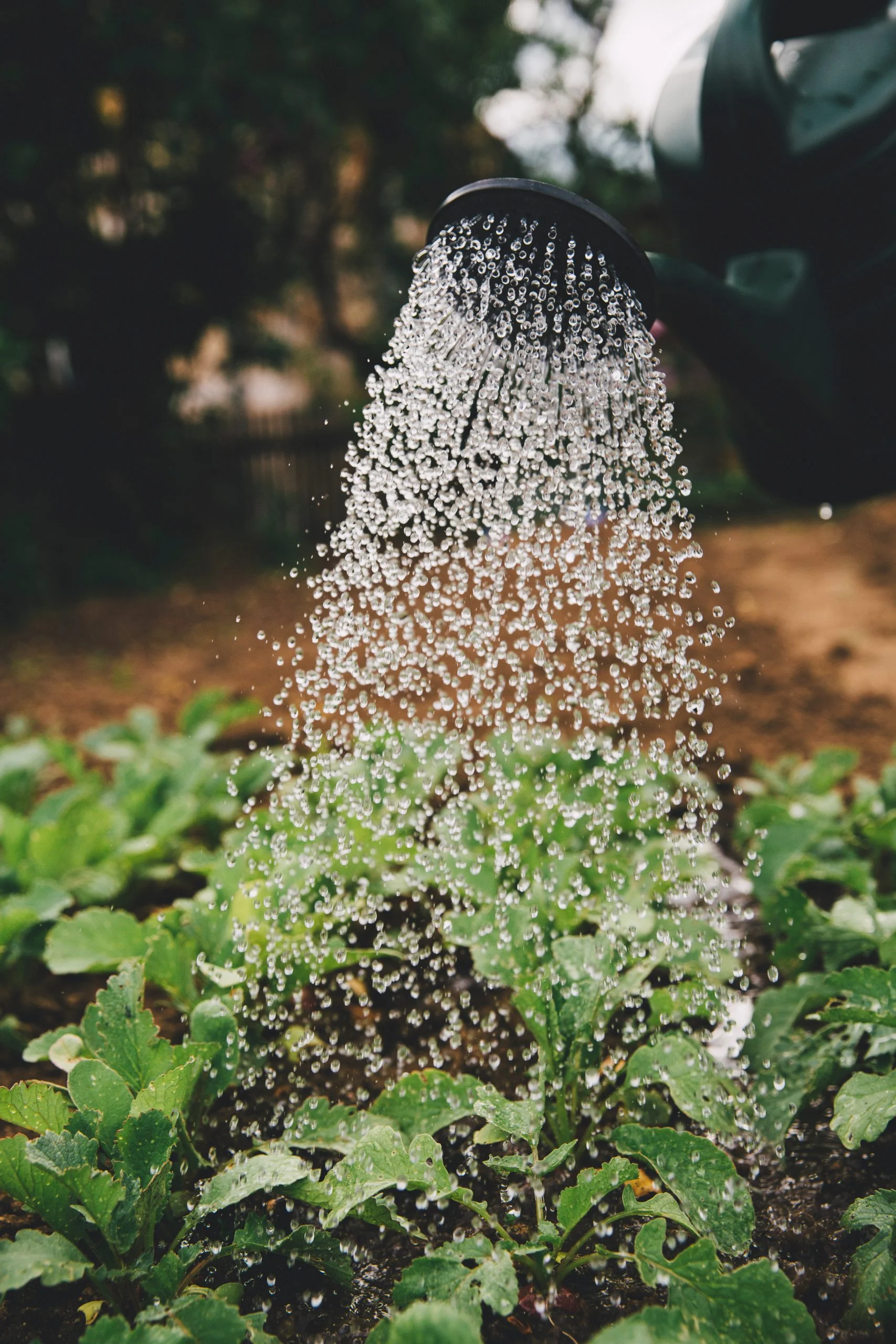
Greywater Recycling at Home: Save Water and Money
Shower, sink and laundry water — about 50–60% of household output — can legally irrigate your garden in Israel under Sta…
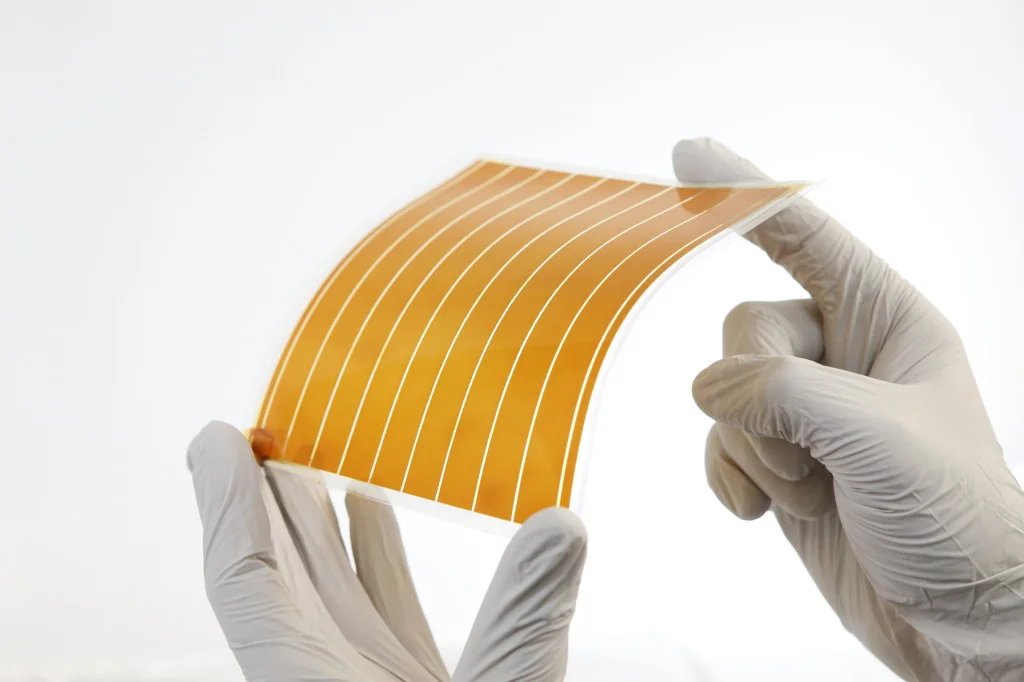
When Waste Becomes Value: Circular Economy in Practice
How businesses and communities convert discarded materials into raw inputs, reducing costs and environmental impact at t…