
Understanding Israeli water pricing
Water in Israel is priced in tiers to encourage conservation. Households are allocated a low subsidised rate for the first 3.5 cubic metres per person per month — roughly 115 litres per day. Consumption above this threshold is priced at a significantly higher rate that varies by municipality. For a family of four using a garden heavily in summer, it is common to exceed the subsidised allocation by 80 to 150 cubic metres per year, placing much of the garden irrigation cost in the expensive upper tier.
This tiered structure is the financial engine behind the greywater payback calculation. If garden irrigation can be supplied from recycled greywater rather than fresh mains water, it eliminates or substantially reduces the most expensive portion of the household water bill. The saving is greatest for families that currently irrigate heavily in summer and would otherwise consistently exceed their allocation.
The numbers: how much water and what it costs
An average Israeli household uses approximately 170 litres of water per person per day. Of this, roughly 50 to 60 litres per person comes from showers, baths and bathroom sinks — water that, without a greywater system, goes directly to the sewer. For a family of four, this is approximately 200 to 240 litres of greywater per day, or 70 to 90 cubic metres per year, available for redirection to the garden.
At the upper pricing tier, each cubic metre of water avoided saves approximately ₪5 to ₪8 depending on the municipality. Using this as a basis: 80 to 120 cubic metres per year saved equals roughly ₪400 to ₪700 annually. Over the 15-year lifespan typical of a well-maintained system, this represents ₪6,000 to ₪10,000 in cumulative savings — before accounting for any price increases in water tariffs over that period.
Installation costs and what they include
A basic greywater system for a single-family home — covering shower and bathroom sink lines — typically costs between ₪3,000 and ₪5,000 installed, including a filter unit, sealed storage tank of 200 to 400 litres, pump and connection to an existing or new drip irrigation network. More complex installations covering additional sources, larger gardens, or multi-apartment buildings range from ₪5,000 to ₪12,000 or more depending on scope.
The main cost variables are: whether new pipework is needed to separate greywater from the main drain (older buildings often require more rerouting), the size of the storage tank needed, the complexity of the irrigation network it will serve, and whether the installation requires a municipal permit that involves engineering drawings. Getting two or three quotes from licensed contractors familiar with Standard 6147 requirements is advisable.
Grants and subsidised programmes
Israel's Water Authority has at various times operated grant programmes and subsidised installation schemes as part of national water conservation targets. Individual municipalities have also run local incentive programmes. The availability and size of these schemes changes over time and varies significantly between local authorities, so it is worth checking with your municipal water authority before committing to installation costs.
In some cases, grants have covered 30 to 50 percent of installation costs for residential systems. Even where no grant is available, some municipalities have simplified the permitting process for standard residential greywater systems to encourage uptake. Households considering installation should treat the grant question as a research task before signing contracts.
Maintenance costs and real-world performance
The ongoing cost of a greywater system is modest. Filter cartridges require replacement every six to twelve months depending on water usage and the type of filter — this typically costs ₪100 to ₪300 per year. The pump may require servicing every three to five years. A well-installed system from a reputable supplier should need no other routine intervention beyond the occasional inspection to confirm the bypass valve is functioning and the distribution lines are not blocked.
Systems that are neglected — particularly those where water sits in the tank for more than 24 hours — can develop odour problems and reduced efficiency. The most reliable systems are those designed for the specific household's daily greywater volume, so the tank empties and refills regularly rather than storing water for extended periods. Oversizing the storage tank relative to the daily flow is a common installation error that leads to avoidable maintenance issues.
Who should consider it first
Homeowners with gardens who currently irrigate heavily in summer and who are regularly in the upper water pricing tier will see the fastest financial payback. A household producing 200 litres of greywater per day and currently buying that same volume as fresh water for irrigation is paying the highest possible price for the least necessary quality of water. Greywater recycling resolves this mismatch directly.
Multi-unit residential buildings with shared green space — apartment blocks with communal gardens, for instance — often present a strong case for greywater systems at the building level rather than the apartment level, as the shared infrastructure cost per unit is lower and the combined greywater volume can supply meaningful irrigation even in summer. Community coordinators and building committees are worth approaching with a feasibility study before assuming the economics do not work.
Related Articles

Biodegradable or Greenwashing? The Truth About Eco Products
How to tell the difference between genuinely sustainable products and marketing claims — and what the new single-use pla…
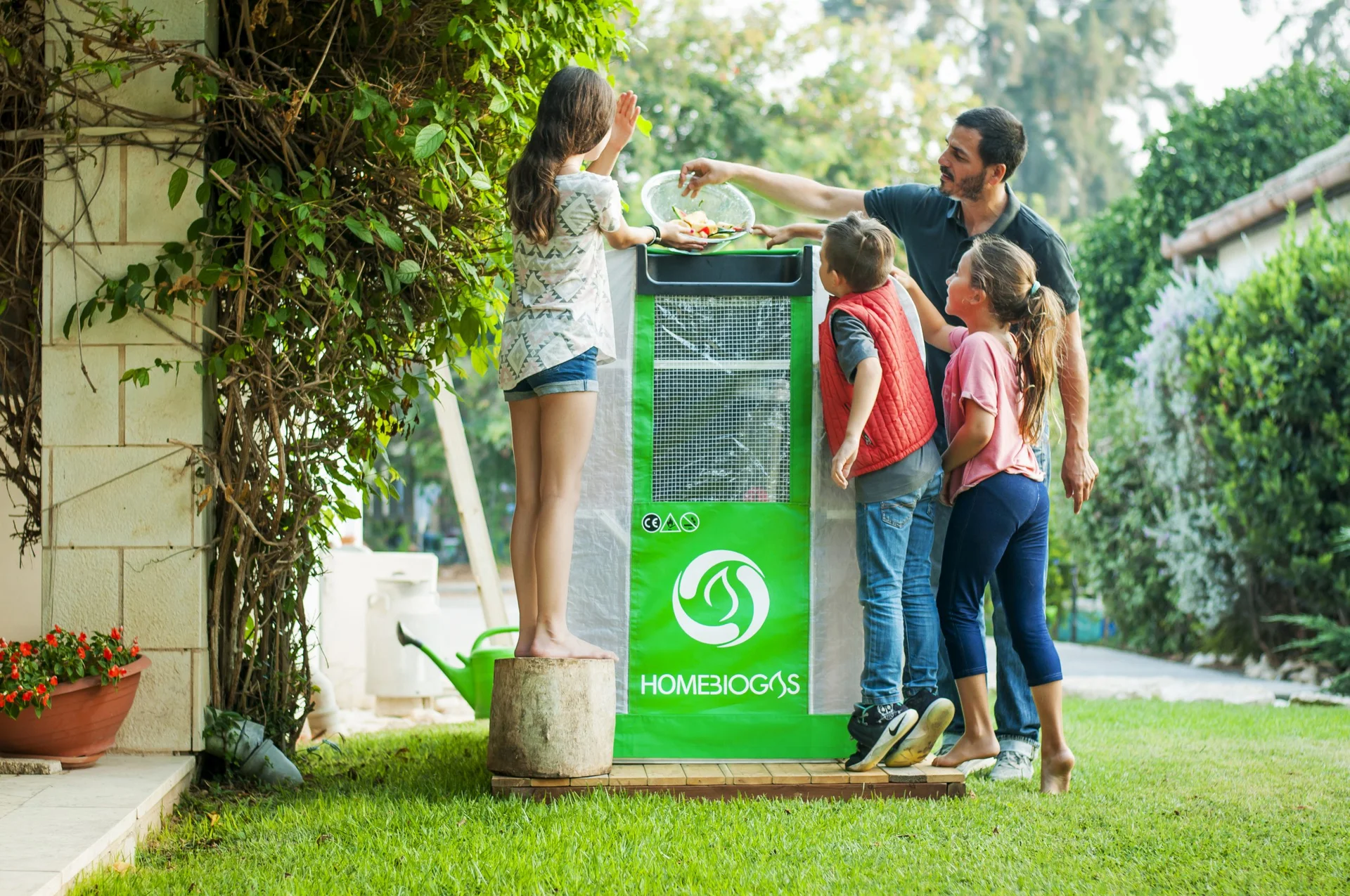
Reducing Environmental Pollution While Saving Money: The Case for Green Efficiency
Why the businesses and households that reduce their environmental impact consistently find lower operating costs — and w…
Nano Technology and Its Ecological Impact
Nanotechnology offers promising ecological applications in solar energy, water filtration and building insulation — alon…