
What is greywater?
Greywater is the relatively clean wastewater produced by showers, baths, bathroom sinks and washing machines. It is distinct from blackwater — the waste from toilets — which contains pathogens requiring full sewage treatment before any reuse. Because greywater comes primarily from washing rather than waste elimination, it contains soap residues, skin cells, hair and small quantities of bacteria, but not the faecal matter that makes blackwater hazardous.
In a typical Israeli home, greywater makes up roughly 50 to 60 percent of total household wastewater. The remainder is blackwater from toilets. This means that for most households, more than half of all water going down the drain is greywater that could, with appropriate treatment, be redirected to the garden rather than the sewer. In Israel, this practice is governed by Israeli Standard 6147, which sets the treatment levels required for different irrigation applications.
How a home system works
A residential greywater system typically has three components: collection pipework, a treatment stage and a distribution system. Collection diverts the drain lines from showers and bathroom sinks — and sometimes the washing machine — to a separate pipe that leads to a filter and storage tank rather than the main sewer. The treatment stage removes hair, lint, soap residues and suspended solids through mechanical filtration; some systems also include biological treatment or UV disinfection for higher-quality output.
Treated water is stored in a small sealed tank — typically 200 to 500 litres depending on household size — and pumped automatically to a drip irrigation network in the garden. The system is generally designed to empty its storage tank within 24 hours, preventing the stagnation that leads to odour and bacterial growth. Many systems include an automatic bypass to the sewer when the storage tank is full or when the system is not working, so there is no interruption to normal drainage.
Israeli Standard 6147 and legal requirements
Israeli Standard 6147 defines two main treatment levels for greywater reuse. The basic level — primary filtration to remove solids — is sufficient for subsurface drip irrigation where the water does not contact plant foliage or edible parts of crops. A higher treatment level, typically including biological treatment and disinfection, is required for surface irrigation or any application where the water may contact food plants directly. Both levels are significantly simpler and cheaper than the treatment required for potable water.
Installation must in most cases be carried out by a licensed plumber. Some municipalities require a permit before installing a greywater system; others have simplified the approval process as part of national water conservation goals. Before starting, it is worth contacting the local water authority to understand what is required in your specific area, and whether any subsidies or grant programmes are available.
What saves you the most water
The biggest single source of greywater in most homes is showers. A four-minute shower uses approximately 40 to 60 litres; a household of four showering daily produces 160 to 240 litres per day from showers alone. Redirecting this to garden irrigation means a typical home garden — requiring perhaps 300 to 500 litres per day during the Israeli summer — could be partially or fully irrigated from greywater without drawing on the fresh water supply at all.
Washing machine greywater adds significantly to the volume available but contains higher concentrations of detergent. Systems that accept washing machine water should use eco-friendly, low-sodium detergents suitable for plants, and the treatment stage should be designed to handle this load. Many basic systems focus only on shower and sink water for simplicity and to avoid detergent-related soil issues.
What to plant and how to irrigate
Greywater is well suited to irrigating ornamental plants, lawns, hedges, trees and shrubs. It is used more cautiously on edible crops: drip irrigation beneath the soil surface to the root zone is generally considered safe for most vegetables, while surface spray that contacts leaves or fruit should use water treated to the higher Standard 6147 level. Root vegetables that grow underground — carrots, potatoes, beetroot — require more caution than above-ground produce.
Native and drought-tolerant Mediterranean plants are the most efficient match for a greywater system, as they require less irrigation overall and tolerate the slightly alkaline water that soap residues can produce. Lavender, rosemary, sage, cistus, gaura and many ornamental grasses are well suited. Regular checks on soil pH every season or two help identify any gradual alkalisation before it becomes a problem.
Financial savings and realistic payback
A well-installed greywater system reduces household water consumption by 25 to 35 percent in homes with active gardens. For a family of four on the higher Israeli water pricing tier, savings typically amount to ₪400 to ₪700 per year. A basic residential system — filter unit, sealed storage tank, pump and drip irrigation lines — costs between ₪3,000 and ₪8,000 installed, depending on site complexity. At typical saving rates, payback occurs in four to twelve years, with systems expected to last 15 to 20 years with routine maintenance.
Some Israeli municipalities have offered partial grants or subsidised installation programmes. Checking with the local water authority before ordering equipment can meaningfully reduce the upfront cost. For households that currently pay for significant garden irrigation during summer months, the financial and environmental case for a greywater system is straightforward.
Related Articles
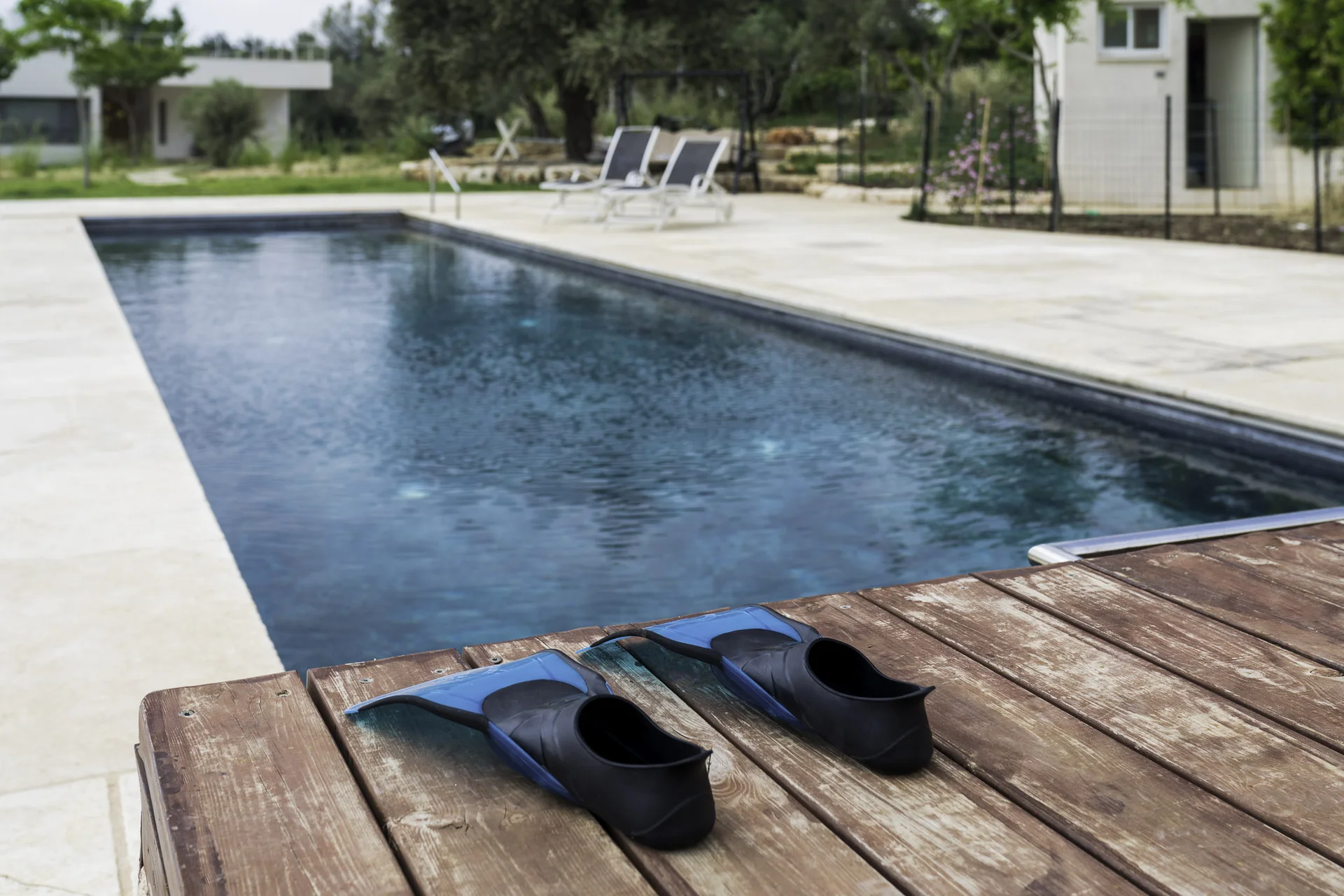
Ecological Swimming Pools: Natural Water in Your Garden
Chlorine-free ecological pools use planted biological filtration zones — the same principle as a healthy stream — and ne…
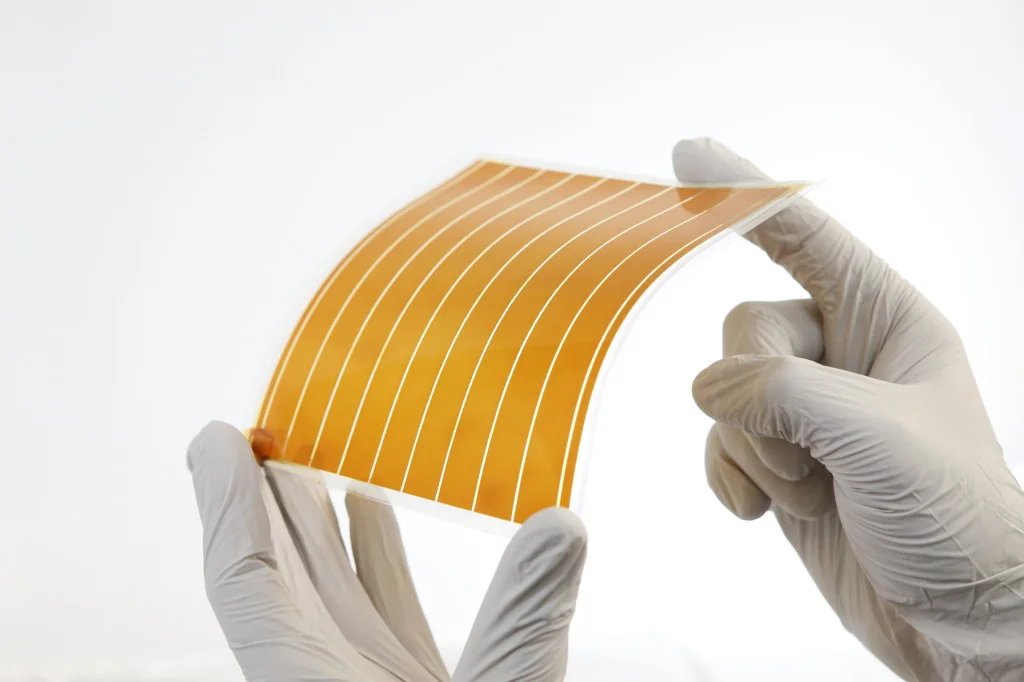
When Waste Becomes Value: Circular Economy in Practice
How businesses and communities convert discarded materials into raw inputs, reducing costs and environmental impact at t…
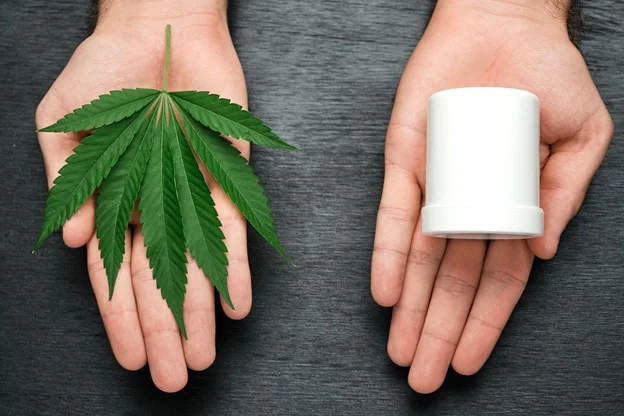
How Industrial Hemp Is Replacing Petroleum Plastic
Hemp-based bio-composites offer engineers a stronger, lighter and fully biodegradable alternative to conventional plasti…