
A building is an environmental system
Green building is not a single product or a single certification. It is a design methodology that considers energy demand, daylight access, natural ventilation, thermal insulation, water use, material selection and the long-term health of occupants. Each decision influences all others, and the best results come from integrating them at the earliest stage of design rather than treating them as add-ons.
In Israel, the hot dry summer climate and mild wet winters create a clear brief: shade east and west facades, use thermal mass to stabilise indoor temperature, maximise natural cross-ventilation, and ensure mechanical cooling is a supplement rather than the primary comfort strategy. These principles were understood by traditional builders in the region long before the term "green building" existed.
Small decisions compound into large outcomes. Correctly placed shading reduces cooling loads. Efficient fixtures reduce water waste. Durable materials reduce replacement cycles. Every element of an ecological building is a long-term investment, not just an upfront cost.
Israeli Standard 5281 and what it means in practice
Israeli Standard 5281 is the national green building rating system, broadly equivalent to LEED or BREEAM in scope. It scores buildings across energy performance, water efficiency, indoor air quality, materials, site ecology and occupant wellbeing. Buildings that achieve certification tend to command higher resale values, attract quality tenants and carry lower operating costs over their lifespan.
Since 2017, new residential construction in Israel has been required to meet national Building Code energy efficiency standards, setting a mandatory baseline for insulation, glazing and mechanical systems. Standard 5281 goes further, offering a voluntary framework for demonstrating above-minimum performance and communicating that to buyers, tenants and investors.
Even without pursuing formal certification, applying Standard 5281 thinking during renovation — improving external thermal insulation, adding shade devices, upgrading to low-flow fixtures, switching to LED — delivers measurable savings within the first year of operation. The framework is useful as a checklist, even informally.
Climate-appropriate construction materials
Israel's construction industry has long relied on reinforced concrete, hollow concrete blocks and stone cladding — materials with significant thermal mass well-suited to the local climate. When designed correctly, heavyweight walls absorb heat during the day and release it slowly overnight, reducing the temperature swings that drive cooling demand.
External thermal insulation systems, known in Israel as ETICS or by the Hebrew abbreviations for hot and cold insulation, add a continuous layer of insulation to the outside of structural walls. This approach eliminates thermal bridges — the weak points in the building envelope where heat escapes or enters — and is consistently more effective than insulating from the inside.
Newer materials including recycled aggregate concrete, bio-based insulation products and low-embodied-carbon cements are becoming available in Israel, though supply chains are still developing. For most projects, the greatest ecological gain comes not from exotic materials but from optimising the standard ones: using the right thickness of insulation, specifying low-VOC finishes and choosing locally sourced stone over imported products.
Design for operation, not just construction
The real environmental cost of a building is accumulated over decades of operation, not in the weeks of construction. Energy consumed by heating, cooling, lighting and water heating typically accounts for the dominant share of lifetime environmental impact. A building that performs well operationally is almost always a better ecological choice than one that uses green materials but requires heavy mechanical conditioning to stay comfortable.
Good green design therefore considers how a building will be operated, maintained and eventually adapted. This means accessible mechanical systems, monitoring points for energy and water consumption, and simple operating manuals for occupants. A building that residents understand is a building they can manage effectively.
For renovation projects, the same principles apply with one additional consideration: the embodied energy of the existing structure has already been spent. Retaining and upgrading an existing building is almost always more ecological than demolition and new construction, provided the upgrade achieves a meaningful improvement in operational performance.
Who benefits and how to start
Green building principles benefit everyone who occupies a building: residents who live in more comfortable, healthier spaces; businesses whose employees are more productive in well-ventilated offices; building owners who face lower maintenance and energy costs; and communities whose collective buildings consume less energy and water from shared infrastructure.
For a homeowner considering renovation, the most impactful starting points are: improving the insulation and air-tightness of the building envelope, adding solar water heating (mandatory on new builds in Israel since 1980 but often poorly maintained in existing buildings), and upgrading lighting to LED. These three measures are low-risk, well-understood by Israeli contractors and deliver clear financial returns.
For a developer or architect working on new construction, integrating Standard 5281 targets from the earliest design stage costs very little in additional design time and sets the project up for certification without costly late-stage modifications. The conversation with clients about green building is increasingly a conversation about value and risk, not ideology.
Related Articles
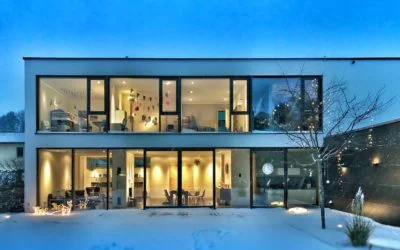
Green Building: Smarter Homes That Cost Less to Run
How insulation, passive solar design, water efficiency and smart materials create buildings that are healthier, cheaper …
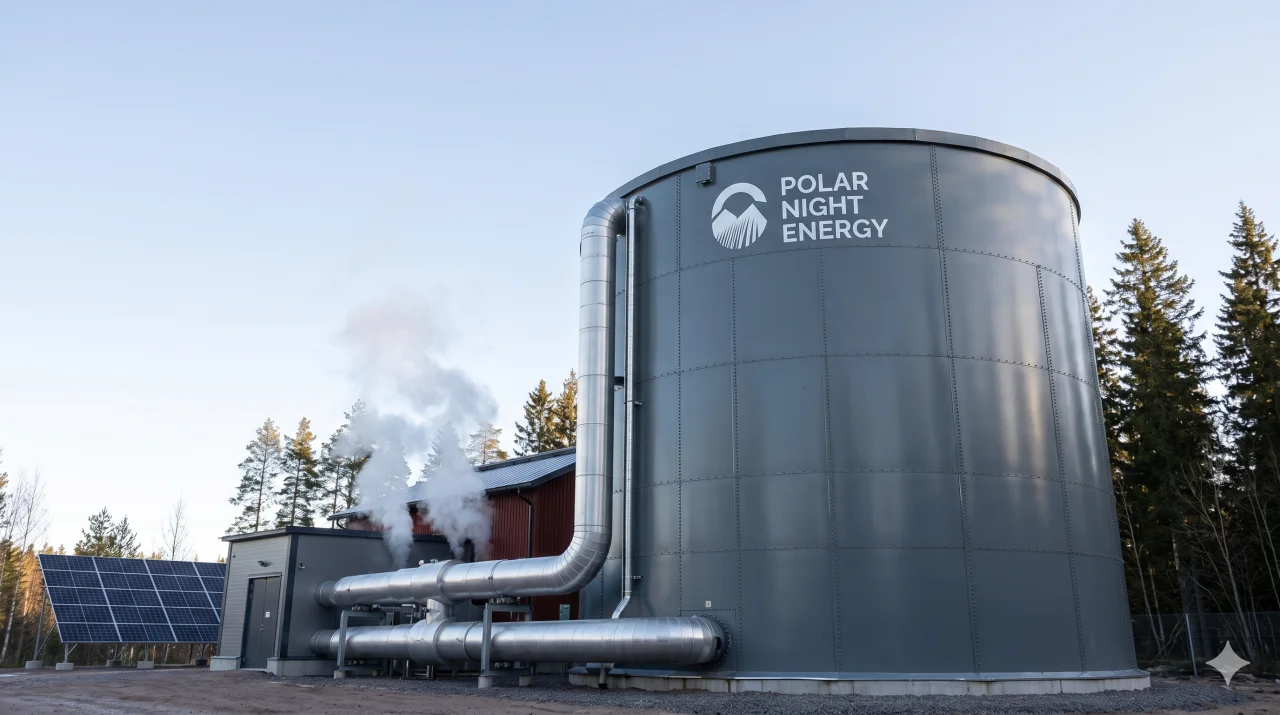
The Thermal Storage Revolution: How Polar Night Energy's "Sand Battery" Is Changing the Game in Industry
Polar Night Energy's sand battery delivers thermal energy storage at up to 600°C using sand and locally available materi…
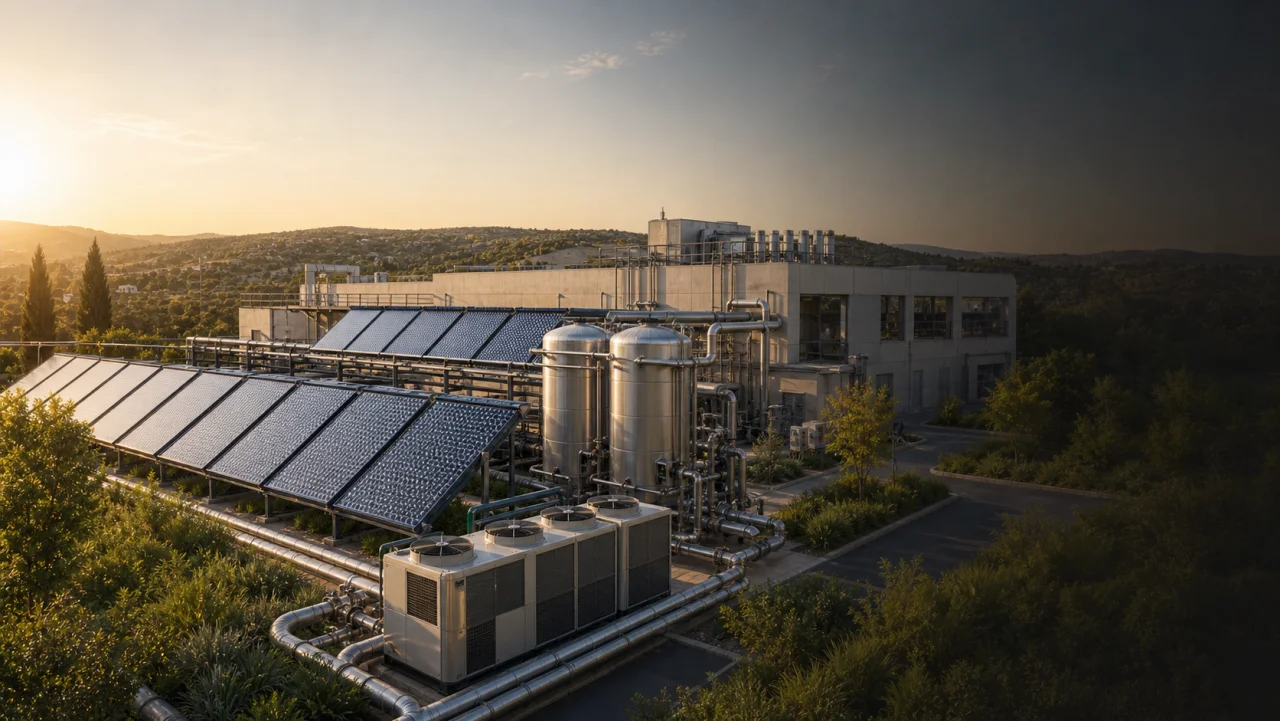
Beyond Natural Gas: How TIGI Solar Combines Electrification and Solar Energy for Clean Industrial Heat
A smart hybrid model — industrial heat pumps, transparent-insulation thermal solar collectors and cloud-managed thermal …