
What is in wood ash
When untreated wood burns, its organic compounds are consumed by combustion, but the mineral content remains. Wood ash contains calcium (typically the largest component), potassium, magnesium, phosphorus and trace elements including boron and zinc. These are nutrients that plants require and that are routinely added to soil through purchased fertilisers.
The pH of wood ash is alkaline — typically between 9 and 11 depending on the wood species. This alkalinity is both its main agricultural value and its main risk: applied to the right soil in the right quantity, ash improves growing conditions; applied incorrectly, it can raise pH too high for the plants intended.
A critical safety note before starting
Only ash from untreated, unpainted, unvarnished natural wood is suitable for these applications. Ash from treated timber, composite wood, painted surfaces, charcoal briquettes or any mixed-waste fire may contain heavy metals, chemical residues and combustion byproducts that should not be added to soil or used around food preparation areas.
Allow ash to cool completely — ideally for 48 hours — before handling. Store in a metal container with a lid away from flammable materials. Wear gloves and avoid breathing ash dust when applying it.
Garden soil amendment
The primary use of wood ash in Israel's home gardens is pH adjustment. Many Israeli soils, particularly in the coastal plain, tend toward neutrality or slight alkalinity. Ash is most valuable on acidic soils — below pH 6.5 — where it raises pH toward the 6.5–7.0 range preferred by vegetables, brassicas, legumes and lawns.
Before applying ash as a soil amendment, test soil pH. If the soil is already neutral or alkaline — common in parts of the Galilee and Negev — adding ash is unlikely to benefit plants and may cause nutrient lockout. Apply ash at no more than 50–100 grams per square metre per season, incorporated into the soil rather than left on the surface where it can compact into a water-repellent layer.
Pest deterrent, compost activator and surface material
A ring of dry ash around slug- and snail-vulnerable plants creates a barrier that molluscs are reluctant to cross. The abrasive texture and high pH are deterrents. The barrier needs to be renewed after rain or irrigation and does not affect beneficial insects if applied only as a perimeter.
Small quantities of ash — no more than 5% of total volume — can be added to a compost pile. The calcium and potassium contribute minerals, and the alkalinity helps buffer acidic food waste. On icy or muddy paths, ash provides traction without the corrosive effects of salt on concrete, soil and vegetation adjacent to pathways.
Cleaning and household uses
Mixed with a small amount of water to form a paste, wood ash is a mild abrasive and alkaline cleaner that has been used for centuries to clean soot from fireplace glass, polish tarnished silverware and cut through grease on cast iron cookware. The grit is fine enough to polish without scratching most hard surfaces.
Historically, ash mixed with water and fat was the basis for soap-making — the alkalinity of ash provides the lye that converts fat into soap. While home soap-making from raw ash is a specialist process, the cleaning properties in simpler applications are practical and require no additional chemicals. A tablespoon of ash and a damp cloth removes fireplace glass soot effectively.
The zero-waste principle behind all these uses is straightforward: before discarding any material, ask whether it still contains value in another form. Wood ash contains significant mineral value that is recovered for free by anyone willing to handle it correctly rather than send it to a bin.
Related Articles

Behind the Fibres: Banana Tree Waste Becomes Clothing
How agricultural waste from banana plantations is processed into a soft, durable and biodegradable textile — and what th…

Biodegradable or Greenwashing? The Truth About Eco Products
How to tell the difference between genuinely sustainable products and marketing claims — and what the new single-use pla…
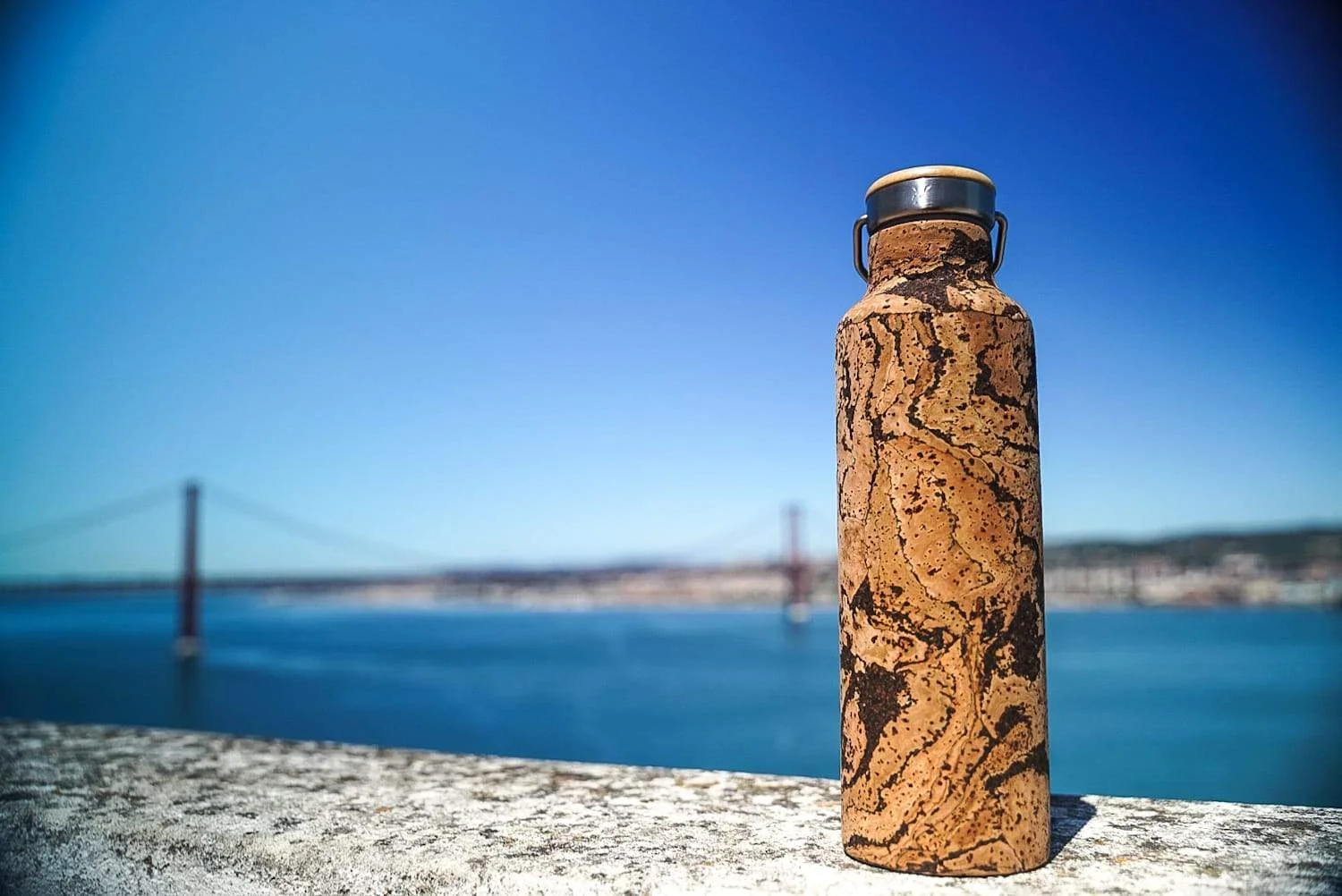
Money Does Grow on Trees: Eco Products with Real Value
How choosing durable, reusable and well-designed eco-friendly products can save significant money while reducing environ…