
More than decoration
A garden pond — even a modest one of three to five square metres — functions as a microhabitat. It attracts frogs, dragonflies, water beetles, birds and a range of beneficial predatory insects that collectively reduce the pest pressure in the surrounding garden without the need for pesticides. Frogs alone can consume hundreds of insects per night during summer; dragonfly larvae predate mosquito larvae effectively in a well-balanced pond.
The water surface of a pond contributes to local microclimate regulation through evaporative cooling. On a hot Israeli summer day, when air temperatures can exceed 35 degrees Celsius, the immediate surroundings of an open water body are measurably cooler — in some studies by two to four degrees within a few metres of the water surface. In a garden designed for outdoor use in summer, this effect is genuinely meaningful for comfort.
Biological balance — how a pond stays clean without chemicals
A healthy ecological pond maintains water clarity through biological balance, not chemical treatment. Aquatic plants — submerged, floating-leaf and emergent — absorb nutrients from the water, competing with algae for the same resources. Bacteria in the substrate and on plant surfaces break down organic matter. Invertebrates and fish (where present) graze on algae and detritus. When these elements are in proportion, the system is self-regulating.
The most common cause of algae problems in a new pond is an imbalance between plant cover and nutrient load. A well-planted pond should have aquatic plants covering at least 50 to 60 percent of the water surface, which limits the light available to algae while absorbing the nutrients algae would otherwise exploit. In the first season after planting, some turbidity and algae growth is normal as the biological community establishes. Patience is usually more effective than chemical intervention at this stage.
Design considerations for Israeli conditions
In Israel's Mediterranean climate, a garden pond faces two distinct seasonal challenges. In summer, high temperatures and intense sunlight increase evaporation and warm the water, which accelerates biological processes and, if plant cover is insufficient, can trigger algae blooms. In winter, mild but rainy conditions bring leaf fall and nutrient input from rainfall that can temporarily cloud the water.
Siting is the most important design decision. A pond positioned to receive morning sun but with shade from trees or a structure during the hottest afternoon hours will have more stable water temperatures and more manageable algae. Avoid siting directly beneath deciduous trees, as leaf fall creates significant nutrient loading. A small pump or aerator, running particularly in summer, improves oxygen levels and water circulation and supports the biological community through the hottest periods.
Native plants for Israeli ponds
Native and regional aquatic plants establish more reliably in local conditions and are less likely to spread invasively than ornamental exotics. Good choices for an Israeli garden pond include water iris (Iris pseudacorus), yellow flag (common along streams in the north), common rush (Juncus effusus), and various native emergent sedges. For submerged oxygenating plants, species adapted to warm water are preferable to temperate species that struggle through the Israeli summer.
Floating plants such as water lettuce and water hyacinth are highly effective at shading water and absorbing nutrients, but both are classified as invasive species in warm-climate countries and should not be used in ponds with any connection to natural waterways. In a closed garden pond well away from natural water courses, they are commonly used with care. Consult local guidance on their use in your specific region before planting.
Rainwater harvesting integration
A garden pond can serve as a rainwater harvesting endpoint, capturing roof run-off through a simple filtration channel that removes gross solids before water enters the pond. This serves two purposes: it offsets evaporation losses without using mains water, and it reduces storm-water run-off from the property, lessening the load on municipal drainage systems during heavy winter rains.
Israel's rainy season — roughly November through March in most regions — can deliver 500 to 700 millimetres of rain in coastal areas, concentrated in relatively few storm events. A pond sized to capture and slowly release some of this rainfall reduces both the need to top up with mains water in summer and the peak flow discharged to street drains during storms. The filtration channel between roof drain and pond need not be complex — a gravel bed with a coarse mesh screen is sufficient for most residential applications.
Maintenance: what it actually involves
Unlike a swimming pool, an ecological pond does not require weekly testing or chemical additions. Seasonal tasks are the main maintenance commitment: thinning back overgrown marginal and floating plants in autumn to prevent excessive decomposition over winter; removing excess silt from the pond bottom every two to four years as part of a partial drain and clean; and checking and cleaning the pump filter every two to three months. The pump (if fitted) may need an annual service.
Total annual maintenance time for a well-established garden pond of five to ten square metres is typically four to eight hours, spread across the year. The ecosystem manages itself between these interventions. Many pond owners find that the wildlife observation value — watching frogs, dragonflies, kingfishers and other visitors — adds to the appeal of the garden in a way that conventional water features do not.
Related Articles
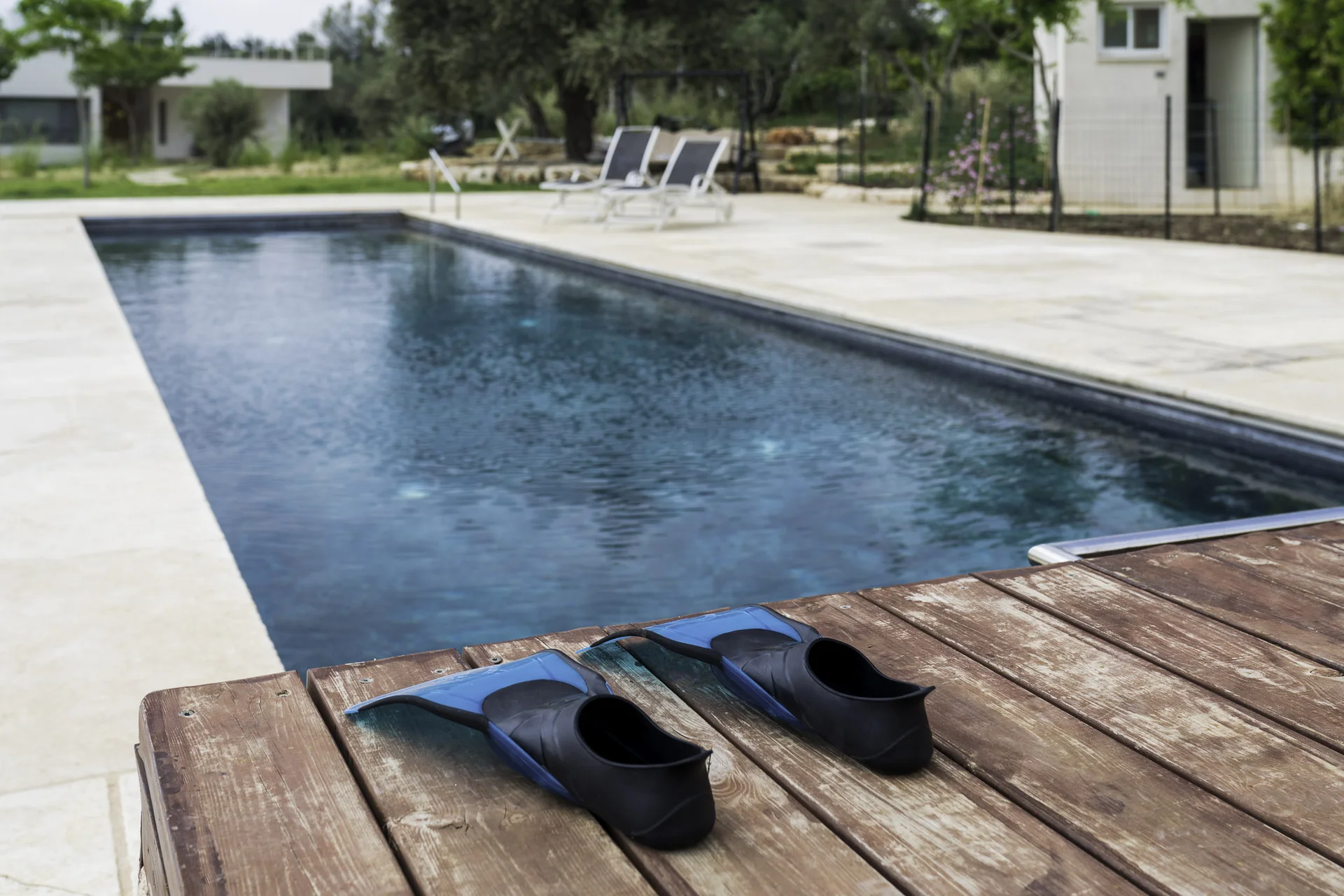
Ecological Swimming Pools: Natural Water in Your Garden
Chlorine-free ecological pools use planted biological filtration zones — the same principle as a healthy stream — and ne…
Greywater Recycling at Home: Save Water and Money
Shower, sink and laundry water — about 50–60% of household output — can legally irrigate your garden in Israel under Sta…
Green Building: Smarter Homes That Cost Less to Run
How insulation, passive solar design, water efficiency and smart materials create buildings that are healthier, cheaper …